Small Bathroom Remodel: What to Know Before You Hire a Contractor
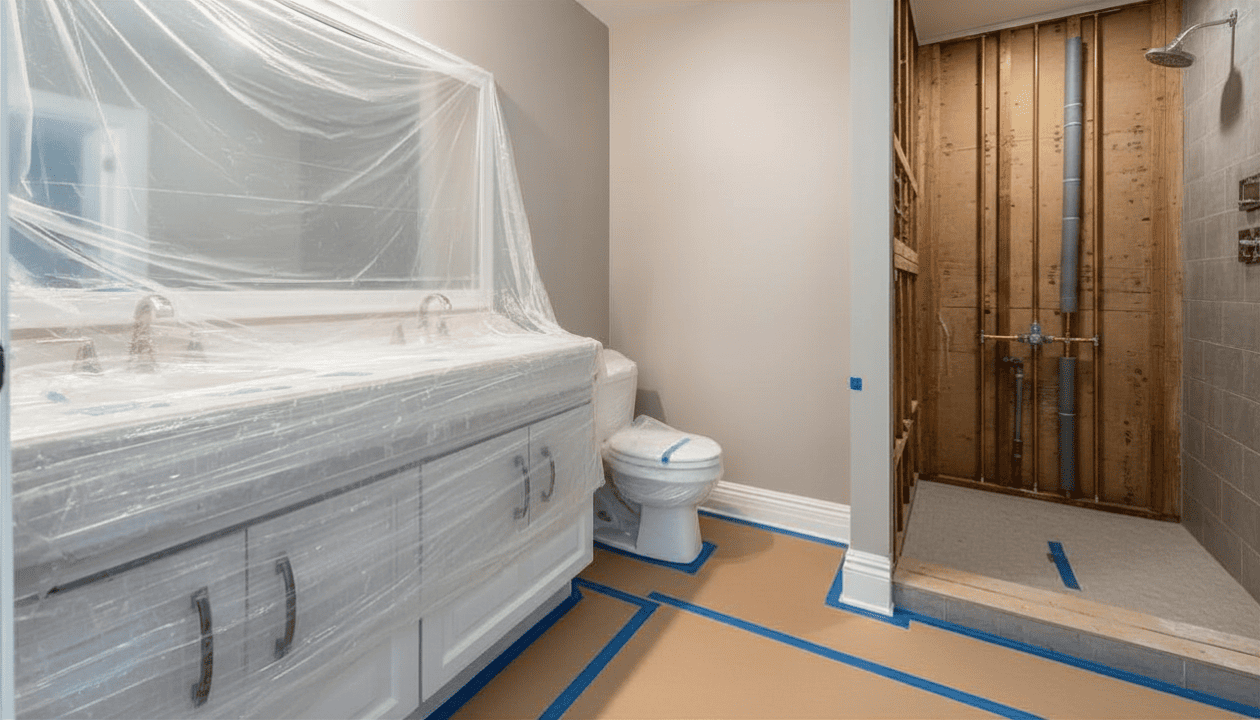
A small bathroom remodel is one of the most common home improvement projects — and one of the most frequently underestimated.
What looks like a straightforward tile and fixture swap often reveals more. Think plumbing that needs updating, electrical that doesn’t meet current code, or structural considerations that weren’t apparent from the surface.
Understanding what you’re getting into before the first bid lands on your desk makes the entire process smoother. It also protects your budget from the surprises that catch most homeowners off guard.
Do It Yourself vs. Hiring a Pro: Where the Line Is
Some demolition and cosmetic work in a bathroom is manageable for a motivated homeowner. The tear-out phase — removing old tile, vanities, and fixtures — is labor-intensive but not technically complex. Where do-it-yourself (DIY) stops making sense is when the work involves the systems behind the walls.
A bathroom is one of the few spaces in a home where plumbing, electrical, and structural systems converge in a very tight area. Mistakes in any of these disciplines are expensive to correct. Not to mention potentially dangerous, and in some cases won’t surface until long after the work is done. Three areas where professional trades are not optional:
Structural Changes and Load-Bearing Walls
If your small bathroom remodel involves moving a wall for expansion, the first question is whether that wall is load-bearing. Load-bearing walls carry the structural weight of the roof or floor above.
Removing or relocating one without proper engineering support can compromise the structural integrity of the entire home. Any wall modification of this kind requires engineered calculations.
It also requires a formal plan review through your local building department, and a licensed contractor. This is not a DIY scope regardless of skill level.
Plumbing and Wet Work
Relocating a toilet, moving a tub, or adding a walk-in shower involves more than running new supply lines. A licensed plumber ensures that new fixtures are properly vented — a requirement that affects both function and code compliance.
Also can your existing water heater handle the increased demand of a larger tub or high-flow shower system. Improper venting causes drain problems that are difficult and expensive to diagnose and correct after walls are closed.
Electrical and Wet Area Requirements
Bathrooms have specific electrical code requirements that differ from the rest of the home. All outlets must be GFCI-protected, and any lighting in or near the shower or tub must be rated for wet or damp locations.
A licensed electrician ensures outlets are correctly positioned and protected. They will also confirm that recessed fixtures are appropriate for the ceiling depth and moisture exposure.
The electrician will also ensure the work passes the local electrical code inspection. Incorrectly installed bathroom electrical is both a safety hazard and a liability issue when the home is eventually sold.
When a General Contractor is the Answer to a Small Bathroom Remodel
A small bathroom remodel typically involves multiple trades working in sequence. This likely includes demolition, plumbing rough-in, electrical rough-in, waterproofing, tile, drywall, paint, and finish work. A general contractor or experienced remodeling contractor adds real value by coordinating the schedule and taking accountability for the workmanship of every trade on the job.
Managing individual subcontractors yourself is possible but time-consuming. It requires enough construction knowledge to recognize when work isn’t meeting standard. All before the next trade covers it up. A qualified GC handles that coordination and serves as your single point of accountability if something goes wrong.
Before you sign any contract, verify that your contractor is licensed. That the contractor carries workers’ compensation and commercial general liability insurance. And that the contractor is willing to name you as an additional insured on their policy specifically for your project. This protects you from liability for on-site injuries and property damage during construction.
5 Steps to Protect Your Bathroom Remodel and Your Budget
1. Get Detailed Bids — Not Lump Sum Numbers
Require at least three bids and insist that each one breaks down labor and materials by scope. A lump sum number tells you nothing about where your money is going or whether the pricing is competitive.
A transparent line-item breakdown lets you make meaningful comparisons between contractors. It helps you identify where there are significant discrepancies worth questioning.
2. Require On-Site Walkthroughs
Never accept a bid that was prepared without a site visit. A contractor needs to physically see the space to accurately assess the scope.
It also identifies what temporary protection measures are needed. Things like plastic sheeting and drop clothes to keep dust and debris out of the rest of your home during construction.
A bid prepared remotely or from photos is a blind estimate at best and your gamble at worst.
3. Address Logistics and Site Access Upfront
Make sure every bidder knows where the electrical panel is located, where materials can be staged, and where workers can park.
These logistics, if undisclosed at bidding, can affect labor efficiency and can impact costs. Trades that have to haul materials long distances or work around access constraints could result in a change order request.
4. Set Clear Site Rules Before Work Begins
With a small bathroom remodel, establish the house rules before the project starts — not after a problem comes up.
- What are the working hours?
- Who is responsible for daily cleanup and debris removal?
- Are workers allowed to use your home’s bathrooms?
These expectations should be in writing as part of the contract or a separate site rules document signed by the contractor before mobilization.
5. Decide Up Front Who Is Buying the Fixtures
If you plan to purchase your own faucets, tile, lighting, or other fixtures to save money, tell every contractor during the bidding process. Not after the contract is signed.
Owner-supplied materials affect the contractor’s scope. It also affects their profit margin, and critically, their warranty responsibility. A contractor is generally not liable for a fixture that arrives damaged or defective if they didn’t supply it.
The Warranty Trap: Who Actually Owns the Coverage
Understanding how warranty coverage works on a small bathroom remodel is one of the most overlooked aspects of the hiring process. And also one of the most consequential.
A contractor’s warranty typically covers labor and materials for one year from substantial completion. But the manufacturer’s warranty on fixtures — toilets, faucets, shower systems — operates separately. It can extend well beyond that one-year period. The catch is in the fine print.
Most manufacturer warranties are issued to the original purchaser only and are non-transferable. If your contractor purchases fixtures through their trade account, they are technically the original purchaser.
This means the manufacturer warranty belongs to them, not you. When the contractor’s one-year labor warranty expires and a fixture fails in year two or three, you may find yourself without coverage you assumed you had.
Two ways to protect yourself:
Buy the fixtures yourself
You pay retail rather than trade pricing, but the purchase is in your name and warranty claims are straightforward.
Let the contractor purchase fixtures
If the contractor uses their trade account, require them to provide all product information. This includes registration cards, list every fixture model number on the final project invoice, and transfer warranty documentation to you at closeout.
This gives you the paper trail needed to register products in your name and make future claims directly with the manufacturer.
As a final closeout condition before releasing final payment, require the contractor to hand over all operations and maintenance manuals. Also written confirmation that warranty registration has been completed. Once final payment is released, your leverage to obtain this documentation is gone.