Construction Defect Statutes: West & Pacific States
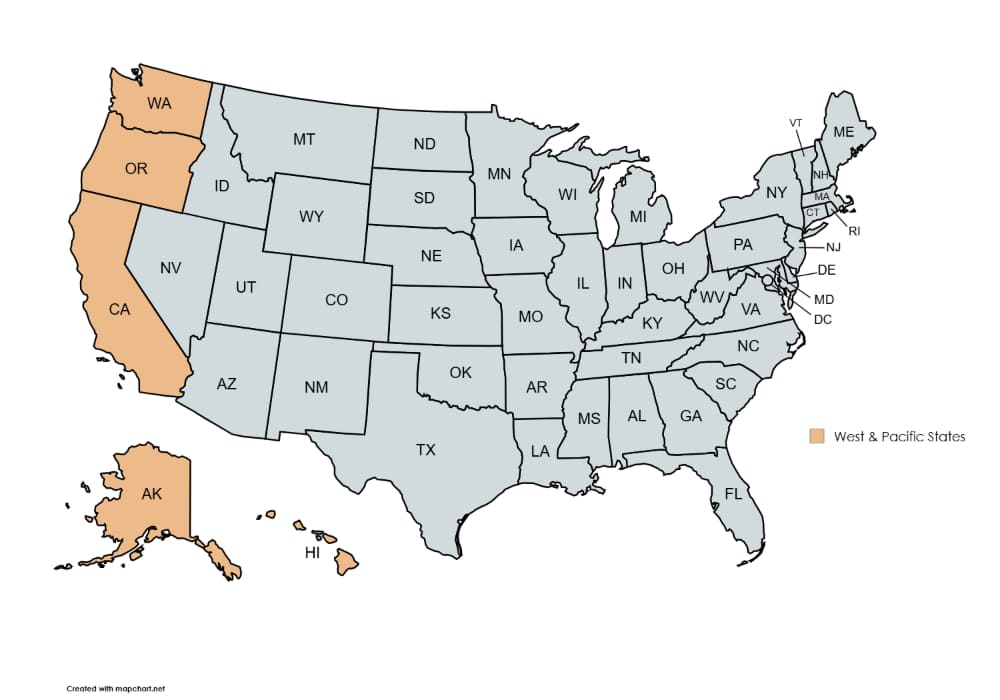
Construction defect deadlines vary across the West and Pacific states. This guide covers the statute of repose, statute of limitations, discovery rule, and right-to-cure requirements for all 5 jurisdictions in this region.
Each state below is self-contained, so jump straight to yours. For plain-English definitions of these terms, see the State Construction Defect Statute Hub.
Alaska
Alaska allows 10 years from the earlier of substantial completion or the last act that caused the injury. This single deadline applies to personal injury, wrongful death, and property damage claims alike.
A separate rule requires claimants to give notice within 1 year of discovering the defect. That notice can happen any time within the broader 10-year window.
This is a claims-preservation notice rather than a right-to-repair process. It does not give the contractor a formal opportunity to inspect or repair before suit is filed.
California
California splits its repose rules by defect type. Patent defects, meaning flaws visible on reasonable inspection, get 4 years from substantial completion. Latent defects, the hidden kind, get a longer 10-year period instead.
Before filing most residential construction defect suits, California law requires following the Right to Repair Act process first. This is the most detailed pre-suit process in the region, requiring a structured inspection and repair-offer sequence before litigation.
Hawaii
Hawaii allows 10 years from the date of completion, with no late-discovery extension available. The underlying statute of limitations is 2 years, running from when the cause of action accrues.
This deadline covers claims for property damage, bodily injury, and wrongful death tied to a construction deficiency. There is no separate right-to-repair statute layered on top of it.
Oregon
Oregon’s repose period depends on the type of structure and the plaintiff. Private claims involving residential or homeowners association-owned structures get 10 years.
Private claims involving larger commercial structures get a shorter 6-year period instead. Public entities get 10 years regardless of structure type.
Oregon has no statutory right-to-cure law. Any notice-and-cure obligation depends on the contract, so confirm this with a licensed attorney before filing.
Washington
Washington allows 6 years from the later of substantial completion or termination of services. This single deadline applies broadly across negligence and contract-based construction defect claims.
The underlying statute of limitations runs 3 years for both negligence and contract claims. Washington has also enacted a right-to-repair statute covering many residential construction disputes.
These deadlines reflect general statutes as of this writing. They may not account for every exception, extension, or court ruling that could apply to a specific case. Confirm any deadline with a construction attorney licensed in the applicable state before relying on it.
Return to the State Construction Defect Statute Hub to check deadlines in another region.
Glossary of Terms
Statute of Limitations:
The deadline to file a claim, counted from when the defect was discovered or reasonably should have been. Miss this window and the claim is barred, even if the defect is real.
Statue of Repose:
A separate, harder deadline counted from a fixed point, usually substantial completion of construction. This clock runs no matter when a defect is found. Once it expires, no claim can be filed, even one day after discovery.
Discovery Rule:
The legal principle that a statute of limitations starts running when a defect is found, or when a reasonable owner should have found it, rather than when construction was completed.
Late-Discovery Extension:
A grace period some states add when a defect surfaces close to the end of the repose period. It gives an owner extra time to file instead of cutting the claim off immediately.
Right-to-Cure:
State rules requiring property owners to give builders written notice and a chance to inspect and fix problems before filing a lawsuit. Requirements vary by state.