Basement Water Leak Repair – The Cost When You Ignore it
Basement water leak repair is easy to put off. If there’s no standing water, no visible damage, and after all, life is busy. A damp corner or musty smell can stay on the back burner indefinitely, right? It’s a decision that costs far more than the repair would have — in money, in structural damage. And in some cases, in health consequences that affect everyone in the home.
Understanding what an unresolved basement water leak actually does over time is your most effective motivation. Why you want to address it sooner rather than later.
Mold and Mildew: The Clock Starts Immediately
The three words no homeowner wants associated with their property are mold, mildew, and biological growth. All three are direct consequences of unresolved moisture — and they move faster than most people realize.
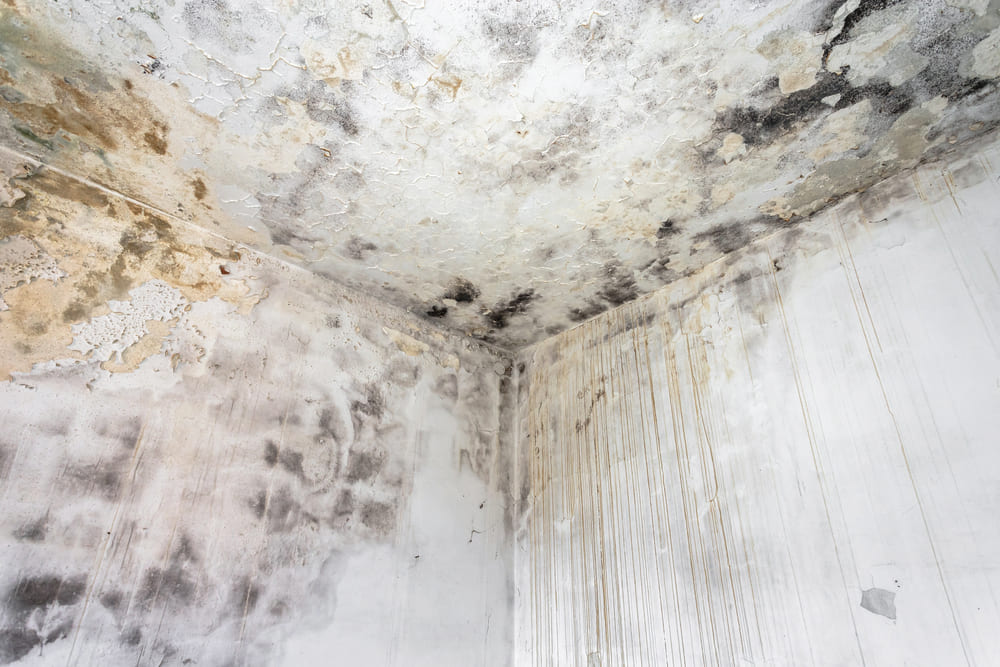
Mold can begin forming on wet or damp surfaces within 24 to 48 hours of exposure. That means a leak that goes unaddressed over a weekend has already created conditions for mold growth. This is the time before you get back to it. Once established, mold spreads and becomes significantly more expensive and disruptive to remediate. Fixing your original basement water leak would have been the cheaper option.
Mold doesn’t need to be visible to be a problem. It grows behind walls, under flooring, inside insulation, and in crawl spaces — often for months or years before it becomes apparent. By the time visible signs appear, the remediation scope is typically much larger and more costly than anticipated.
Health Risks: Who Is Most at Risk
Mold, mildew, and elevated indoor humidity create genuine health risks, particularly for vulnerable household members. Exposure to mold spores and biological growth can produce a range of symptoms including:
- Runny nose, nasal congestion, and sneezing
- Watery or irritated eyes
- Skin rash and itching
- Wheezing, chest tightness, and shortness of breath
- Asthma attacks in those with existing respiratory conditions
Those most at risk include individuals with asthma or allergies, children under 12, pregnant women, infants, the elderly, and anyone with a compromised immune system. Not everyone in a household will respond the same way — one person may experience no symptoms while another is significantly affected. The absence of symptoms in some family members is not a reliable indicator that the environment is safe for all of them.
What Unresolved Moisture Does to Your Home
Beyond the health implications, persistent basement moisture causes progressive structural and cosmetic damage that compounds over time. The longer it goes unaddressed, the more systems it affects and the more expensive the repair becomes.
Wood Rot
Wood rot is one of the most costly consequences of chronic moisture exposure. Floor joists, sill plates, subfloor sheathing, and structural beams in contact with or near persistent moisture are all vulnerable. Wood rot is not a surface problem — by the time it’s visible, the structural integrity of the affected members is already compromised. Replacement, not repair, is typically the only option once rot has progressed into load-bearing components.
Concrete Spalling
Moisture that repeatedly penetrates and freezes within a concrete slab or foundation wall causes spalling — the chipping, flaking, and scaling of the concrete surface. Left unaddressed, spalling progresses from a surface cosmetic issue to one that affects the structural integrity of the slab or wall. Repair becomes significantly more invasive and costly the longer it continues.
Premature Paint Failure
Moisture migrating through walls causes paint to bubble, peel, and fail prematurely. Repainting over an active moisture problem is a temporary cosmetic fix at best — the paint will fail again, and the underlying moisture damage will continue to progress regardless of what’s on the surface.
Decreased Property Value
Mold, water damage, and evidence of ongoing moisture issues are among the most common deal-killers in residential real estate transactions. Home inspectors are trained to identify moisture indicators, and buyers and their lenders treat active or historical water intrusion as a significant risk factor. Unresolved basement moisture issues discovered during a sale can result in price reductions, failed financing, or a collapsed transaction entirely.
Prevention: Reducing Your Exposure Year-Round
Many basement moisture problems are preventable with consistent maintenance habits. The following measures address the most common contributors to basement dampness and elevated indoor humidity.
- Address leaks and seepage immediately. Mold formation begins within 24 to 48 hours — speed matters more than most homeowners realize.
- Ensure drainage slopes away from the foundation. The ground around the perimeter of your home should slope away at a minimum of 6 inches over the first 10 feet to prevent water from pooling against the foundation.
- Keep gutters clear and downspouts extended. Gutters clogged with debris overflow directly against the foundation. Downspouts should discharge water at least 4 to 6 feet from the house.
- Keep indoor humidity below 60 percent. An inexpensive hygrometer placed in the basement gives you a reliable read on humidity levels. If levels are consistently above 60 percent, a dehumidifier is warranted.
- Run exhaust fans during showers and cooking. Moisture generated by daily household activities accumulates quickly in poorly ventilated spaces.
- Keep interior doors open for air circulation. Closed closets and rooms with limited airflow are prime environments for mold development.
- Keep AC drip pans clean and condensate lines clear. A clogged condensate drain line can overflow and introduce significant moisture into wall cavities or floor assemblies.
- Avoid carpet directly over concrete basement floors. Carpet absorbs and retains moisture that migrates up through the slab. Area rugs are a better option in basement spaces.
- Keep furniture away from exterior walls. Adequate clearance between furniture and walls promotes air circulation and reduces condensation risk at cold exterior surfaces.
- Cover crawl space soil with a vapor barrier. An exposed dirt crawl space floor allows ground moisture to evaporate directly into the space. A properly installed vapor barrier significantly reduces this moisture load. Ensure the crawl space is also adequately vented.
Build a Semi-Annual Inspection Habit
The most cost-effective approach to basement moisture is catching problems early — before they become mold, structural damage, or a failed real estate transaction. A semi-annual walkthrough that checks pipe connections for oxidation, sealants for cracking or shrinkage, window wells for debris accumulation, and the sump pit for proper operation takes an hour and costs nothing.
If you’re still working through identifying the source of an existing leak, see our post on Basement Water Leaks for a systematic diagnostic checklist that covers the most common sources of basement water infiltration.
The cost of a dripping pipe connection or a failed sealant caught early is measured in minutes and a few dollars of materials. The cost of the same problem ignored for a year is measured in mold remediation, structural repair, and the disruption of living through a major restoration. The math is straightforward.