Off-Site Construction Material Storage — How to Protect What You’ve Already Paid For
Temporary construction material storage is one of those project details that doesn’t get much attention until something goes wrong. And when it does go wrong it could be a damaged shipment, a warehouse theft, materials lost in transit. The resulting financial consequences can land squarely on you as the owner.
Whether you’re involved in new construction, a home renovation, or a remodel, there are times when materials need to be purchased and stored. This well in advance of their scheduled installation. Understanding who carries the risk during that storage period is something every owner should know before writing a check.
What Are Stored Materials and Why Do They Matter?
Stored materials are typically items ordered ahead of schedule to keep your project moving. This is because they take time to produce or source. These are commonly called long lead items and can include:
- Heating, ventilating, and air conditioning equipment
- Custom-made items like granite countertops, cabinetry, or windows
- Anything requiring precise measurements made to exact specifications
- Specialty fixtures, doors, or architectural elements with extended production timelines
- International orders shipped to your location
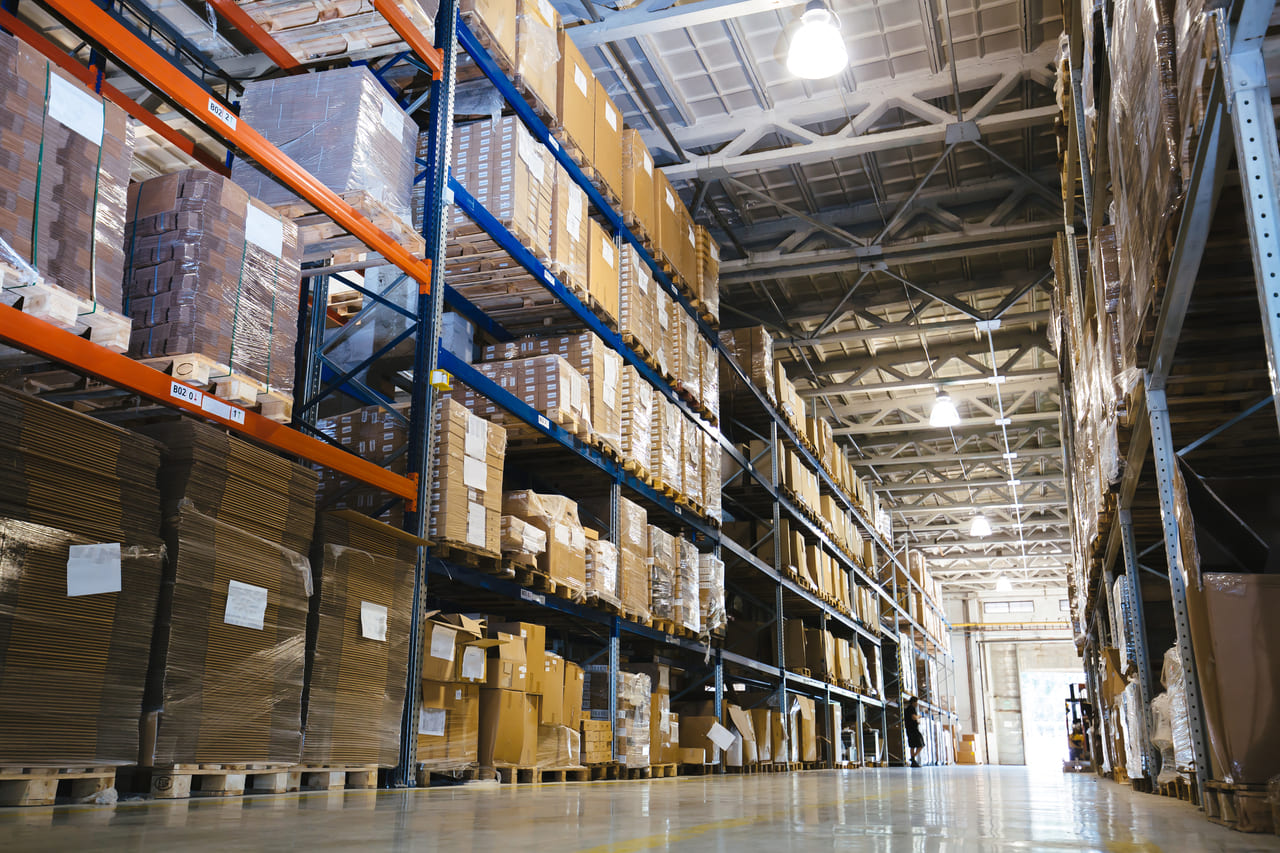
When your contractor orders these items and requests payment before installation, you’re paying for materials that may sit in a warehouse. This can be your contractor’s, a third-party facility, or a manufacturer’s storage. The item or items could be stored for weeks or months before they ever reach your project site.
When You Pay for It, You Own the Risk
Here’s the part most owners don’t realize: once you pay for construction material storage, you own them. With ownership comes risk. Those materials might get lost, damaged, stolen, or destroyed while in storage or in transit to your project. Who is the responsible party? You are.
Consider this scenario: you’ve paid in advance for a full kitchen cabinet order. The truck transporting those cabinets to your job site is involved in an accident and the cabinets are destroyed. That loss is yours — because you own those cabinets.
If the storage facility isn’t secure or properly licensed your exposure is real. The transit to your project site isn’t covered by insurance, your exposure another reality. Now the storage facility is not climate-controlled and your order warps or delaminates, that problem is yours. This is an area where unsuspecting owners get left holding the bag more often than you’d think.
Builder’s Risk Insurance and Construction Material Storage
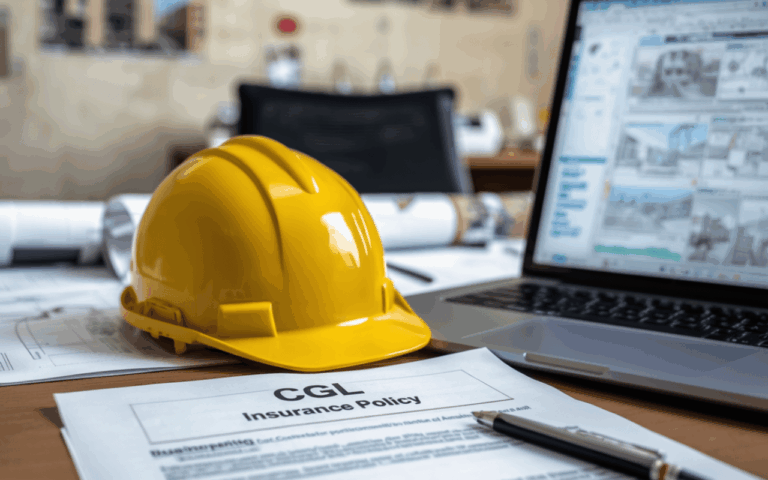
A Builder’s Risk insurance policy is the primary tool for protecting against this kind of loss. Builder’s Risk policies can include provisions to cover building materials, supplies, and equipment temporarily stored at off-property locations. It can also cover your purchase while in transit.
If you don’t have a Builder’s Risk policy in place look to your homeowner’s policy. When your existing homeowner’s policy doesn’t extend coverage to stored construction materials, you are unprotected. Ultimately it’s worth a direct conversation with your insurance representative before any significant materials are ordered and paid for.
How to Protect Construction Stored Materials
Before paying for any off-site stored materials, discuss the specifics of storage and transit with your contractor. Here are the key protections to put in place:
Request on-site storage where possible
An on-site storage container is relatively inexpensive and, if you have the space, keeps your materials on your property and under your control rather than at a remote facility.
Require transit coverage
Ask your contractor to include transit coverage in their policy for your project. This protects materials being transported over land from one location to another — including from a warehouse to your job site. Equally important is transit insurance also known as cargo insurance for international orders.
Keep stored materials close
Industry standard for off-site stored materials payment is typically within 50 miles of the project site. Require that any off-site storage facility be within a reasonable driving distance so you can physically verify your materials are secured.
Verify the storage facility itself
Have your contractor confirm that any off-site facility has security measures in place. Is climate-controlled where appropriate, and has an automatic sprinkler system for fire protection.
Understand warehouse liability limits
Under the Uniform Commercial Code, warehouses are required to exercise a standard of care for stored goods — but their liability is limited. Know what those limitations are before you rely on a warehouse to protect your investment.
Is the Risk Worth It?
The likelihood of construction stored materials being lost, stolen, or damaged on any given project may seem remote.
But the potential impact on both your budget and your project schedule if it does happen is significant.
A few straightforward conversations with your contractor and your insurance representative before materials are ordered is all it takes to make sure you’re covered. That’s a much easier conversation to have before something goes wrong.