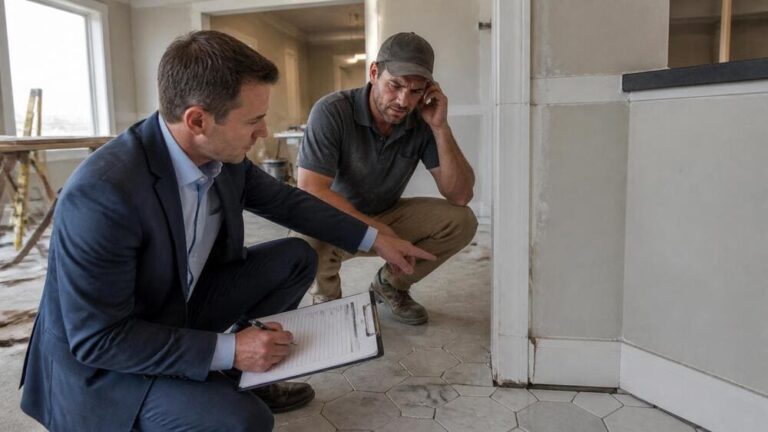
Contractor Recovery Fund: Your State vs. Bad Contractors

Most states require contractors to carry a license and post a bond. But only some maintain a dedicated recovery fund that homeowners can turn to. This is specifically for when a contractor’s misconduct leaves them out of pocket.
A contractor recovery fund is a pool of money. It’s usually funded by contractor licensing fees, that pays homeowners after other outlets for recovery have failed.
Only 13 states currently operate one of these funds. This guide covers each state’s fund by name and how it works. It tells you the payout caps, and what a homeowner has to do to qualify. Each state below is self-contained, so jump straight to yours.
Alabama Homeowner’s Recovery Fund
Alabama’s Homeowners’ Recovery Fund is administered by the Home Builders Licensure Board. A homeowner cannot file a claim based on the actions of a residential roofer specifically.
The maximum payment on a single transaction is $30,000. The fund cannot pay more than $90,000 total based on the actions of one licensee. Payment can only be made after a homeowner obtains a valid court judgment. And only actual economic damages qualify, not attorney’s fees or pain and suffering.
Arizona Residential Recovery Fund
Arizona’s Residential Contractors’ Recovery Fund is run by the Registrar of Contractors. It covers only residential property owners who contracted directly with a licensed contractor.
A homeowner can recover a maximum of $30,000 per residence. The fund’s total payout against any single contractor’s license is capped at $200,000. Claims can be pursued civilly or administratively. The homeowner must attempt to collect from any available bond before the fund will pay.
California Contractor’s Recovery Fund
California’s Contractors Recovery Fund is administered by the Contractors State License Board. A homeowner must first obtain a court judgment against a licensed contractor and be unable to collect on it.
The fund pays up to $30,000 per claimant, subject to an aggregate cap per contractor. Homeowners must exhaust other remedies. This includes any applicable contractor’s bond, before the fund will pay.
Connecticut Home Improvement Fund
Connecticut’s Home Improvement Guaranty Fund is administered by the Department of Consumer Protection (DCP). It applies to residential home improvement work on properties of six units or fewer.
Homeowners may recover up to $25,000 from the fund. The contractor must have been registered with the DCP at the time the contract was signed. Or within two years before or after that date. The homeowner must first obtain a court judgment or arbitration award. And then attempt to collect directly from the contractor.
Florida Homeowners’ Construction Recovery Fund
Florida’s Homeowners’ Construction Recovery Fund is administered by the Construction Industry Licensing Board. It applies only to residential projects, not commercial property or rentals.
For contracts entered into on or after July 1, 2024, homeowners can recover up to $100,000 per claim. This is against a Division I contractor (general, building, or residential). Or $30,000 against a Division II trade contractor. The fund is a last resort It is available only after a homeowner has exhausted other remedies. Including obtaining a final judgment, restitution order, or arbitration award.
Hawaii Recovery Fund
Hawaii’s Contractors Recovery Fund is administered by the Contractors License Board. It is only available to homeowners who hired a licensed contractor.
Recovery is capped at $12,500 per contract, regardless of how many people were harmed under that contract. A homeowner must first pursue and exhaust any bond covering the contractor. Then they must obtain a court judgment before applying to the fund.
Maryland Guaranty Fund
Maryland’s Guaranty Fund is administered by the Maryland Home Improvement Commission. It compensates homeowners for actual monetary losses caused by a licensed contractor’s poor workmanship or failure to perform.
The maximum recovery is $30,000 per claimant. Or the amount the homeowner paid to the contractor, whichever is less. A claim must be filed within three years of when the homeowner knew or should have known of the loss. If the contract includes a binding arbitration clause, that process must be attempted first.
Minnesota Contractor Recovery Process
Minnesota’s Contractor Recovery Fund is administered by the Department of Labor and Industry. It compensates owners or lessees of residential property harmed by a licensed contractor. It includes their fraud, deception, dishonesty, or failure to perform.
Homeowners may be paid up to $100,000 per claim, one of the higher caps among states with a fund. The contractor must have been licensed at the time the contract was signed for a claim to qualify.
Nevada Residential Recovery Fund
Nevada’s Residential Recovery Fund is administered by the State Contractors Board. It is available only to owners of single-family residences who occupy the home.
The maximum payout per claim is $40,000. Claimants are encouraged to pursue other avenues, such as a surety bond, before seeking help from the fund. If any portion of the loss has already been recovered elsewhere, that amount is deducted from the award. Claims must be filed within four years of the completion of the contracted work.
New Jersey Home Warranty Security Fund
New Jersey’s State New Home Warranty Security Fund is administered by the Department of Community Affairs. Unlike most funds on this list, it applies only to newly built homes, not remodeling or repair work.
Every new home sold in New Jersey comes with a 10-year warranty. If the builder is found responsible for a defect but doesn’t make the repair, the fund covers the cost. A dispute settlement process, including arbitration, must be completed before a claim against the fund is available.
North Carolina Homeowners’ Fund
North Carolina’s Homeowners Recovery Fund is administered by the Licensing Board for General Contractors. It is designed as a last resort for losses caused by dishonest or incompetent general contractors.
Claimants must be the owner or former owner of the single-family dwelling in question. They must have pursued every other avenue for recovery first. Recovery of the entire loss is not guaranteed. The fund’s decision follows a formal hearing before a panel of board members.
Oregon Construction Contractors Recovery
Oregon’s Construction Contractors Recovery Fund is administered by the Construction Contractors Board (CCB). It is separate from the surety bond a contractor is required to carry.
The fund provides up to $30,000 per homeowner for losses caused by a licensed contractor. A homeowner must have an active CCB complaint on file. In most cases needs a certified court judgment or arbitration award before the fund will pay.
Virginia Contractor Transaction Recovery
Virginia’s Contractor Transaction Recovery Fund is administered by the Department of Professional and Occupational Regulation. It is funded entirely by assessments on licensed contractors, not tax revenue.
A homeowner must obtain a court judgment against a licensed contractor. It is based on improper or dishonest conduct, not simply a contract dispute. A property owners’ association can also qualify if it contracted for improvements to common areas. Filing a claim does not guarantee payment.
This guide reflects current 2026 program rules and payout caps as of this writing. Recovery fund limits and eligibility requirements change through state legislation. Be sure to confirm current details with the relevant state board before relying on them. Also consult a construction attorney for guidance on a specific claim.
For more on how these funds fit alongside civil claims and statute of limitations deadlines, see the State Construction Defect Statute Hub.