Defending Your Project Against Construction Fraud
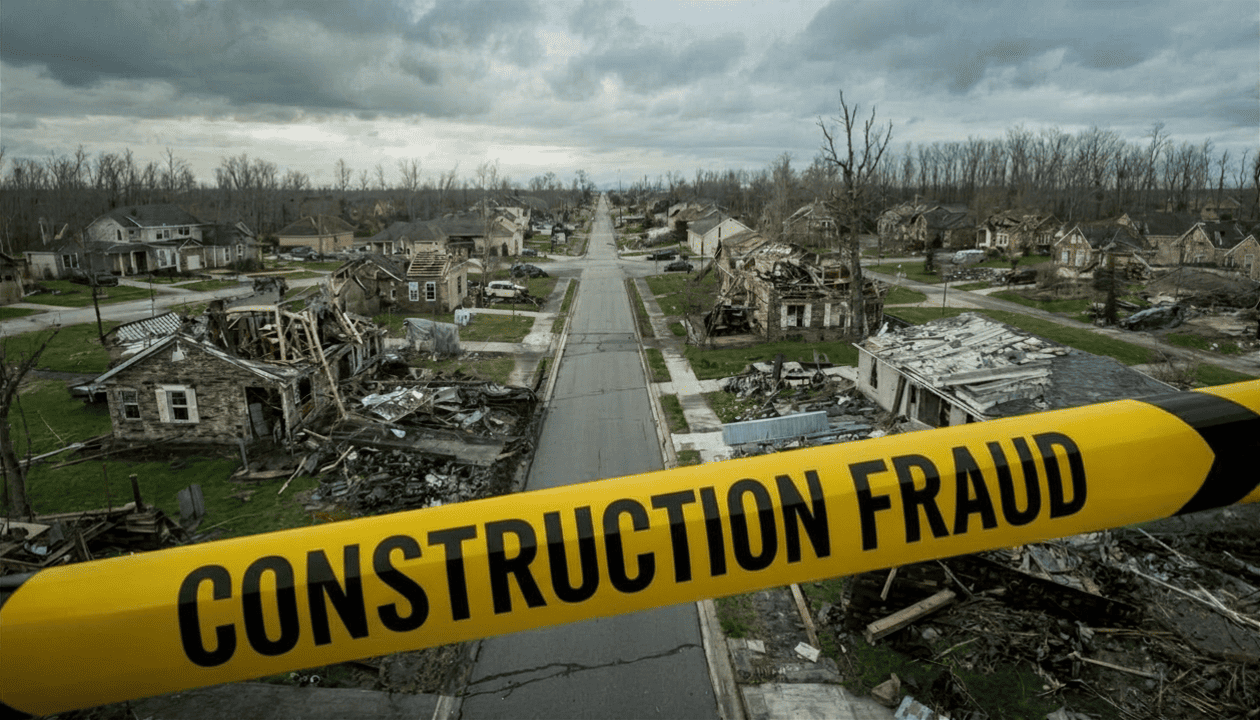
Construction fraud always follows major storms and natural disasters. Once the first responders leave, homeowners are usually stuck dealing with a ton of stress. Not to mention a confusing rebuild process, and no experience to lean on.
This is when “predatory solicitors”—like sketchy contractors and public insurance adjusters—show up to take advantage of the chaos. While many local providers are honest professionals, it only takes one scammer to ruin your recovery. This leaves you with long-term financial damage. To protect your investment and your peace of mind, you must stay “contractor savvy.”
Construction Fraud: 8 Rules for Post-Disaster Recovery
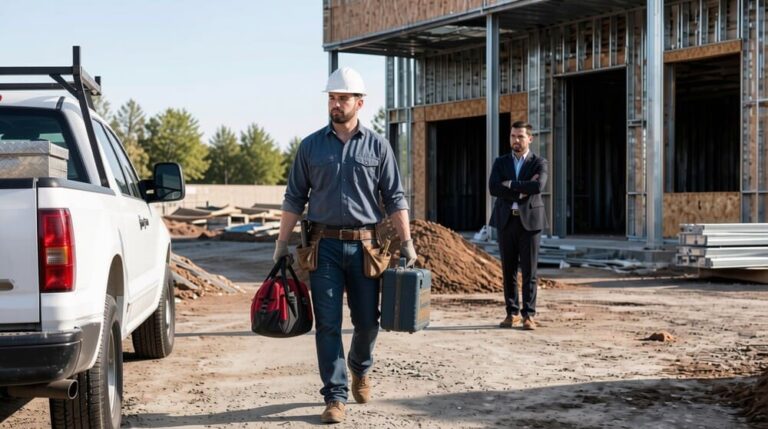
Before committing to any remedial or emergency rebuild work, use the following framework. It will help to vet every person who steps onto your property.
#1 Avoid the “Rush to Sign”
Do not sign any contracts or accept adjuster recommendations until you have weighed all your options. Every contractor must be verified for proper licensing and current insurance. At a minimum, require proof of Commercial General Liability, Automobile Liability, and Workers’ Compensation coverage.
#2 Verify Public Insurance Adjusters
These individuals are required to be licensed. A simple phone call to your State Department of Insurance or Insurance Commissioner’s office can verify their credentials and legitimacy.
#3 Safety in Numbers
Scammers often look for easy targets. If living or working alone at the property, ensure a friend, relative, or trusted associate is present during contractor meetings. Do not disclose that the property is unoccupied at night.
#4 Secure the Premises
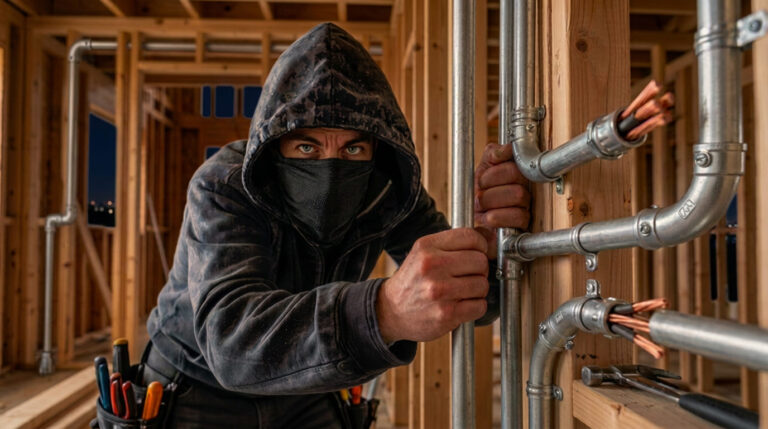
Before a contractor arrives, lock away all valuables and sensitive paperwork that could facilitate identity theft. Once the contractor leaves, perform a quick sweep of all doors and windows to ensure locks haven’t been tampered with.
#5 Clarify Theft Liability
Ask your property insurance agent how your policy handles theft during construction. “Builders Risk” policies often carry high deductibles ($10,000 to $25,000) that make them impractical for standard homeowners or small businesses. Your contract must clearly state who is financially responsible for the deductible if jobsite materials or equipment are stolen.
#6 Define Material Ownership and Risk
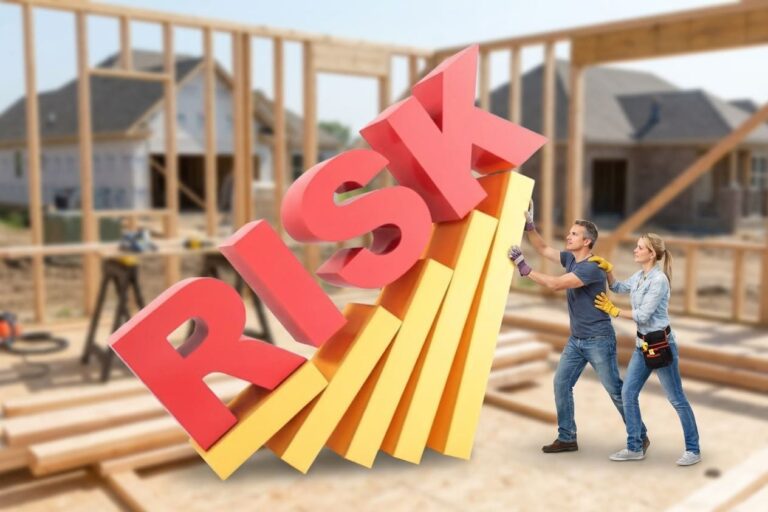
Ensure your contract specifies who owns and insures materials before installation. While a contractor is responsible for inventory they purchase on credit, the risk shifts to you paying an upfront deposit. Or, if you buy supplies directly. For any materials paid for but stored off-site or delivered to your property, require written proof of insurance coverage. And, clearly define who is responsible for jobsite security.
#7 Leverage Third-Party Inspections
If your contractor pulls a permit, the local building official will inspect for code compliance. However, for complex rebuilds, consider hiring an independent project manager or inspector. This will ensure the work meets professional industry standards, not just the “minimum” code.
#8 Eliminate Blank Spaces
Never sign a contract with blank lines that a contractor can fill in later. Review the “fine print” regarding payment schedules and scope, and seek professional counsel if any clause seems predatory.
CRITICAL WARNING: The 3-Day Right to Cancel
In standard consumer transactions, many states provide a “3-day right to rescind” a contract. However, when a contractor is hired for EMERGENCY services your rights change. Following a major event (such as an earthquake or tornado), signing that contract often WAIVES your 3-day right to cancel. You have additional protections through the Federal Trade Commission.
If you request immediate or emergency repairs on short notice your right to cancel is waived. The 3-day rescission period is automatically waived the moment you sign the contract and the contractor begins working.
In a crisis situation like your home flooding or collapsing you would want the contractor to start immediately. Otherwise, he would be waiting the standard three day grace period before work could begin.
Because you are giving up this legal safety net, it is even more vital that you do not sign. Be 100% certain of the contractor’s reputation and scope of work before it starts.
Take Control of Your Recovery
Rebuilding after a disaster is a marathon, not a sprint. Predatory solicitors rely on urgency, panic, and confusion to force your hand. Remember, you hold the ultimate leverage: your signature and your money.
Prevent construction fraud by taking a breath, demanding proper documentation, and refusing to be rushed. This way you protect both your property and your financial future. True recovery starts with hiring partners, not predators.