Construction Defect Statutes: What Every Homeowner and Small Business Should Know

If you’ve ever hired a contractor to build, remodel, or repair a property—and later discovered the work wasn’t done right—you may have more legal protection than you realize.
Construction defect statutes exist in every state, and understanding them could be the difference between recovering your losses and absorbing them entirely.
Whether you’re a homeowner, a small business owner, or a startup, knowing the basics of your state’s construction defect law is an important part of protecting your investment.
What Is a Construction Defect?
A construction defect is broadly defined as a flaw in the design, materials, or workmanship of a structure. It causes—or has the potential to cause—damage or failure. Defects can range from obvious cosmetic issues to serious structural problems that aren’t visible until years after construction is complete.
Construction defects generally fall into four categories:
- Design defects — Flaws in the architectural or engineering plans that lead to structural problems. Regardless of how well the work was executed.
- Material defects — The use of substandard, defective, or improper building materials that fail to perform as expected.
- Workmanship defects — Poor or improper construction techniques that result in damage or failure. Even when the design and materials were sound.
- Subsurface defects — Problems arising from soil conditions, grading, or site preparation that weren’t properly accounted for during construction.
Common examples include:
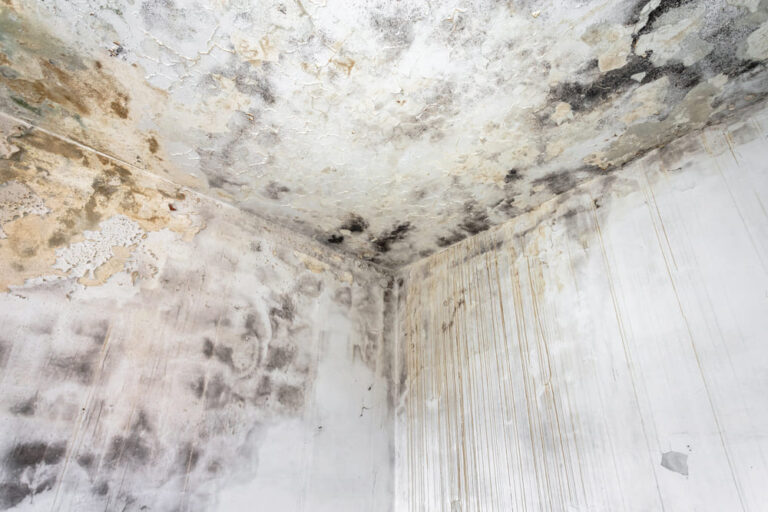
- Water intrusion and moisture damage
- Foundation cracks
- Faulty electrical or plumbing systems
- Roof failures
- Mold resulting from improper ventilation
- Window and door installation defects
Why Construction Defect Statutes Matter
Construction defect statutes matter for one simple reason. Not every contractor stands behind their work, and not every problem shows up right away.
A typical contractor warranty may cover defects for one year…sometimes less. But many construction defects, particularly structural and moisture-related ones, don’t surface until years after the project is completed. Without statutory protection, homeowners and property owners would have little recourse once a contractor’s warranty period expired.
Construction defect statutes address this gap by establishing:
- Statutes of limitation: The deadline to file a claim after a defect is discovered or reasonably should have been discovered.
- Statutes of repose: A hard deadline to file a claim, measured from the date construction was completed. Regardless of when the defect was discovered.
- Notice and opportunity to repair provisions: Many states require the property owner to formally notify the contractor of the defect. Then give them an opportunity to repair it before a lawsuit can be filed.
- Recoverable damages: What a property owner can seek compensation for. This may include repair costs, diminished property value, loss of use, and in some states, attorney’s fees.
These statutes create accountability in the construction industry. They give contractors and builders a defined window to make things right. And they give property owners a legal path when that doesn’t happen.
Statutes of Limitation vs. Statutes of Repose: Know the Difference
This is one of the most important distinctions in construction defect law. It trips up a lot of property owners.
A statute of limitations starts running when you discover, or should have discovered, the defect. If a foundation crack appears five years after construction, the clock typically starts when you notice the crack. Not when the house was built.
A statute of repose is a firm cutoff measured from the date of substantial completion of construction. Once that window closes, no claim can be filed. Even if the defect only just became apparent. Statutes of repose vary significantly by state, ranging from as few as four years to as many as fifteen.
Understanding both timelines in your state is critical. Missing either deadline almost always means losing your right to pursue a claim entirely.
Construction Defect Law Varies Significantly by State
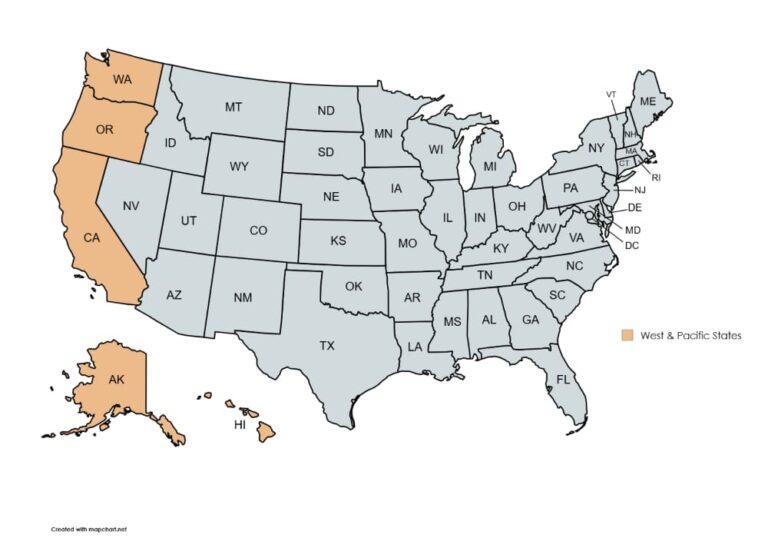
There is no single federal construction defect law. Each state sets its own statutes, definitions, timelines, and procedures. What applies in Texas may be very different from what applies in Florida, California, or Colorado.
Some states have enacted specific construction defect legislation that is heavily debated between builder and homeowner advocacy groups. Others rely more broadly on contract law, negligence, and implied warranty doctrines. Some states require mandatory pre-litigation mediation or a formal notice-and-repair period before a lawsuit can proceed. Others allow claims to move directly to litigation.
This is exactly why it’s important to look up the specific statutes in your state. Don’t rely on general rules of thumb.
Where to Find Construction Defect Laws for Your State
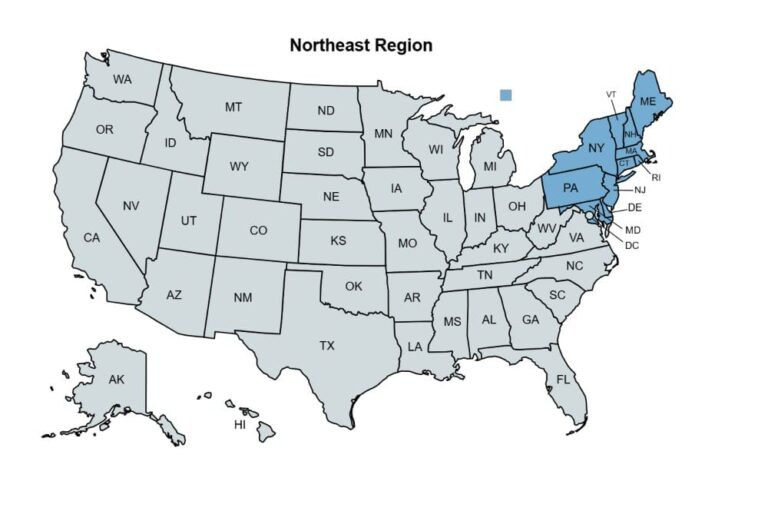
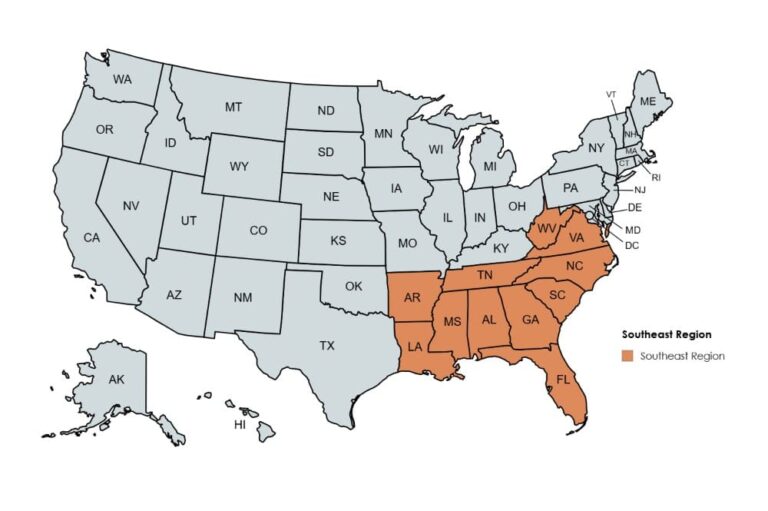
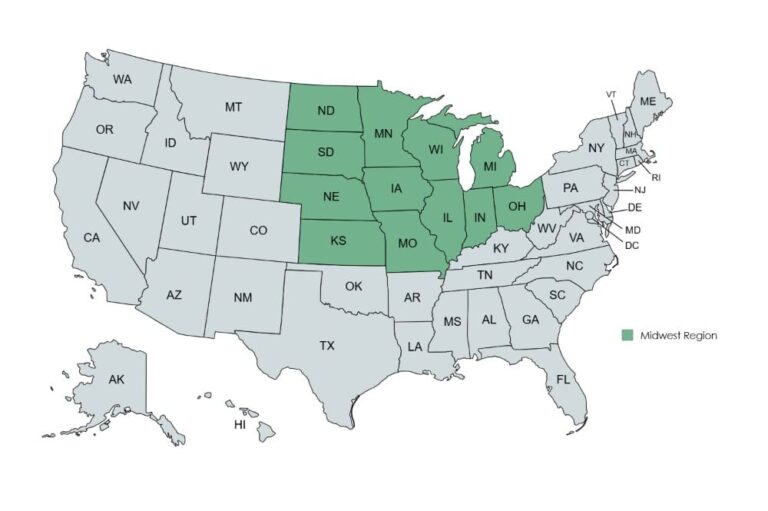
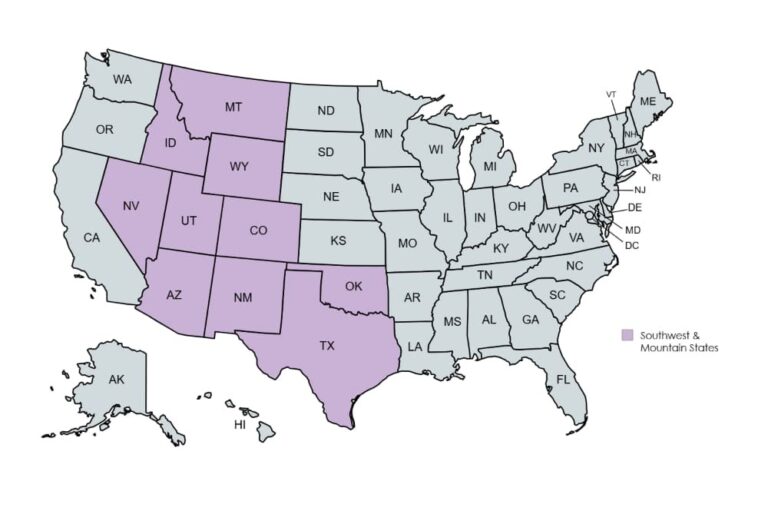
A reliable starting point for researching construction defect statutes by state is our State Construction Defect Statute Hub resource. It provides a state-by-state breakdown of:
- Statutes of limitation
- Statutes of repose
- Key legal considerations for property owner navigating defect issues
When researching your state’s law, look for the following key information:
- The statute of limitations for construction defect claims in your state
- Whether your state has a statute of repose and what the deadline is
- Whether your state requires a notice-and-repair process before filing suit
- What types of damages are recoverable under your state’s law
- Whether attorney’s fees can be recovered as part of a successful claim
Keep in mind that construction defect law can be complex, and statutes are subject to change through the legislative process. For anything beyond basic research, consulting with a construction law attorney in your state is always the smart move.
The Bottom Line for Homeowners and Small Business Owners
Construction defect statutes exist to level the playing field. The construction industry involves significant sums of money, long project timelines, and work that can hide serious problems for years. These laws acknowledge that reality and give property owners a reasonable window to seek accountability. You have recourse when the work that was paid for wasn’t delivered as promised.
Understand, now, the deadlines that apply in your state for you need to file a claim. Once a statute of limitation or repose has expired, even a clear-cut case may be legally unenforceable. Don’t let the clock run out before you know it’s ticking.
If you suspect you have a construction defect issue take these 3 simple steps:
- Document everything
- Research your state’s statutes
- Reach out to a qualified attorney