Costly Copper Theft: Tips for Securing Your Project Site
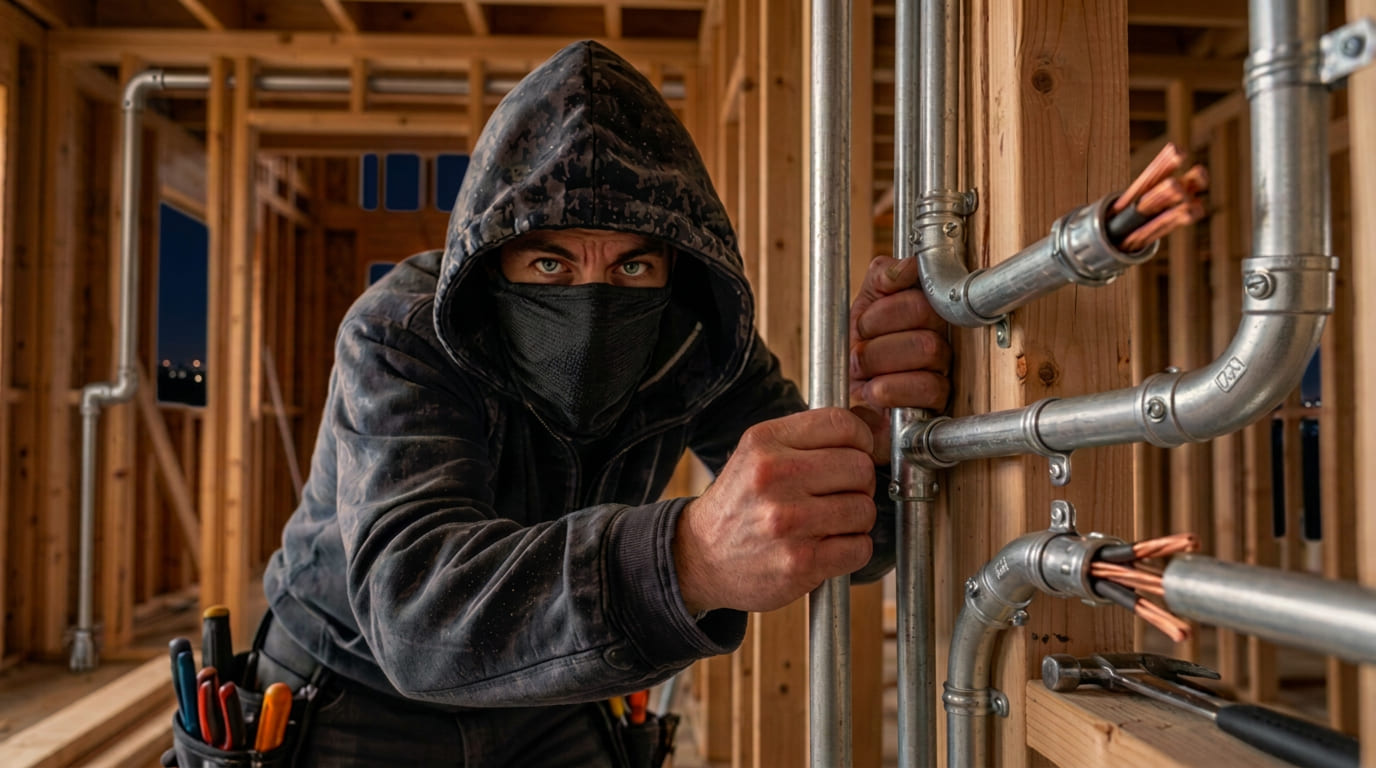
Copper theft and metal theft in general is a persistent threat in the construction industry. As material costs fluctuate and supply chains remain unpredictable, the risk to property owners has never been higher. Today, the street value of stolen copper, aluminum, and brass remains at historic highs. This makes construction project sites prime targets for quick-cash theft.
For an owner, the cost of copper theft goes far beyond the price of the stolen material. It includes “ballooning” insurance premiums and devastating impacts to the construction schedule. The high cost of specialized labor required to repair or reinstall damaged systems is another consequence. Often, the damage done to a structure during the theft is ten times more expensive than the metal itself. Just envision someone ripping copper pipe out of finished walls and the effort it would take to restore.
While contractors often trim “site security” from their bids to remain competitive, here are 12 tips for preventing metal theft. These provide a proactive framework for owners to mitigate risk and protect their bottom line.
How to Secure a Construction Site — Here are 12 Tips
#1 “Beef up” Site Fencing and Lighting:
Use screening on perimeter fencing to ensure tools and high-value materials aren’t visible from the street. Supplement this with rented, motion-activated site lighting to eliminate “dark zones” that attract nighttime intruders.
#2 Establish Secure Staging Areas:
Create a “site within a site.” Secure primary material staging areas with internal fencing topped by barbed wire. It is much easier and cheaper to secure a 20’x20′ staging zone than a 2-acre perimeter.
#3 Limit Access Points:
Don’t allow materials to be a “free-for-all.” Use a badge or key-log system to permit only specific individuals access to material storage. Don’t leave copper, brass and other metals exposed to every trade on-site.
#4 Implement “End-of-Day” Protocols:
Ensure a designated supervisor is the last person off-site to verify the fence is locked. Have a formal check-out plan when trades are working late or on weekends without a prime Contractor present.
#5 Coordinate with Local Law Enforcement:
Register your project with the local precinct. Many departments will increase patrols during high-risk times if they know the site contains high-value infrastructure.
#6 Build a “Neighborhood Watch” Partnership:
Residents near your project site don’t want crime in their area any more than you do. Introduce yourself to neighbors and provide a direct number to report suspicious activity. Vigilant neighbors are often the best deterrent.
#7 Utilize On-Site Storage Containers:
Renting “Conex” boxes or steel storage trailers is a low-cost, high-return security investment. These containers provide a formidable physical barrier that is significantly harder to breach than a standard plywood shed.
#8 Manage “Just-in-Time” Deliveries:
Do not allow copper piping, wiring, or high-end fixtures to be delivered weeks before installation. The longer material sits on-site, the more likely an “inside job” or opportunistic theft will occur.
#9 Move the Good Stuff Inside:
Once a structure is dried-in, move gang boxes and materials to interior locked rooms, garages or basements. This adds extra layers of doors and locks between the thief and the metal.
#10 Clear “Will Prosecute” Signs:
Post clear, professional signs on the site perimeter stating that the premises are monitored and that all copper theft will be prosecuted to the fullest extent of the law.
#11 Strategic Security Staffing:
If a full-time guard isn’t in the budget for the whole project, hire security for “critical phases”. Such as during the electrical/plumbing “rough-in” when the most copper is exposed before the walls are closed.
#12 Offer a Reward Program:
Post signs offering a cash reward for information leading to the recovery of stolen materials. Often, the threat of a peer “snitching” is enough to deter copper theft among temporary crews.
Copper theft is not a matter of if but when for an unprotected build site. The good news is that most thieves are opportunists — they move on when a site looks difficult to breach.
By layering even a handful of these tips, owners and contractors can dramatically reduce their exposure. The investment in prevention is a fraction of the cost of a single theft event.