Bad Roofing Contractor: Red Flags and What To Do
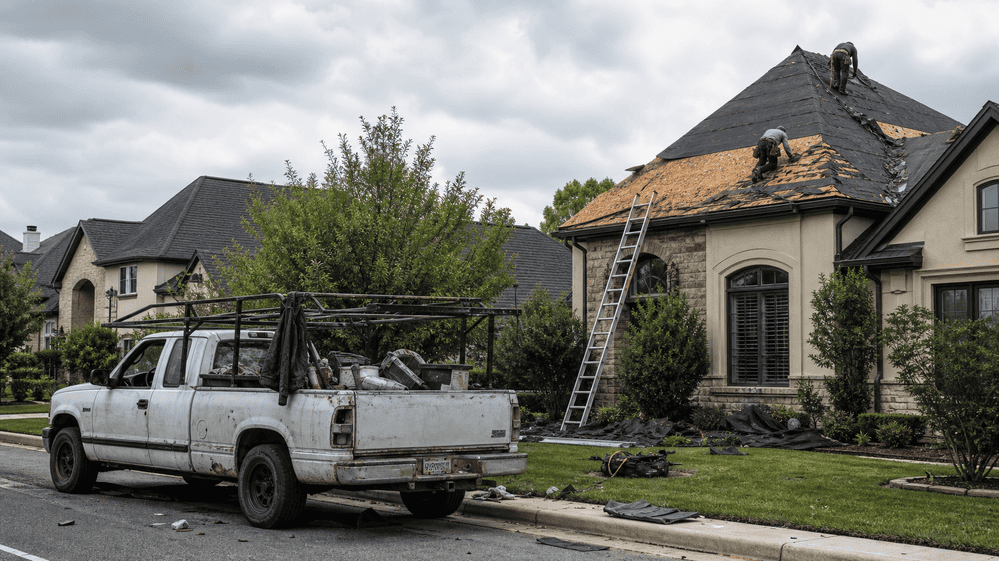
This guide covers the warning signs of a bad roofing contractor, the tactics to watch for, and what an owner can do if the damage is already done.
Roofing draws more complaints to state licensing boards than almost any other trade. High storm demand and low barriers to license in some states play a role. Also the fact that most owners can’t inspect the work themselves.
5 Warning Signs Before Hiring a Roofing Contractor
Most bad roofing outcomes trace back to a hiring decision made too quickly. These signs tend to show up early, if an owner knows what to look for.
#1 No Permanent Business Address
A P.O. box or a vehicle-only presence makes a contractor hard to locate after the job is done. A permanent address shows local roots. A lack of one makes it hard to verify their business history or reputation.
#2 Immediate Pressure to Sign
Legitimate roofers rarely need a same-day signature, especially for “storm damage today only” pricing. Pressure to sign may be an Assignment of Benefits document that is a binding agreement giving the roofing contractor total power over your insurance payout.
In addition, some shady roofing contractors may offer to “waive your deductible” which is illegal and considered insurance fraud.
Rushed agreements often lack the detailed scope of work leading to surprise “extras” or blank agreement spaces filled in later.
#3 Large Upfront Deposits
Large upfront deposit requests from a roofing contractor is risky because they reduce the contractor’s incentive to finish the work.
It may signal a cash flow problem or scams and can often violate state legal limits on advance payments. Many states cap deposits by statute; a demand for 50% or more of the contract price before work starts is a red flag.
#4 Unverifiable License or Bond Numbers
A number that doesn’t match the state licensing board’s database, or that belongs to a different business name means trouble.
If the work is subpar or the contractor abandons the project with your deposit, state contractor recovery funds and legal dispute processes will not apply to an unverified or illegal operator.
#5 Verbal Agreements
Verbal agreements do carry some legal weight but in a dispute, a judge would have trouble resolving arguments.
This is especially true if each party remembers the terms differently. It leaves you with a clear lack of paper trail for schedule, material quality and total costs.
Any single sign might have an innocent explanation. Two or three together are reason enough to keep looking.
Common Roofing Scam Tactics
Roofing scams tend to follow a small number of repeatable patterns, most of which exploit either storm damage or insurance claims.
- Storm Chasing: Out-of-state crews arrive after a major storm, canvass a neighborhood, and disappear once the season ends, leaving warranty claims unanswered
- Manufactured Damage: A “free inspection” that finds damage no other roofer can confirm, timed to push a fast insurance claim
- Suspiciously Low Bids: A quote comes in drastically lower than every other local estimate. Once the work begins, the contractor claims they found hidden problems (like rotted decking) and inflates the final bill far past standard rates in your area.
- Material Downgrades: A contract that names a specific shingle brand and grade, followed by delivery of a cheaper substitute once the homeowner stops watching closely
Insurance-related tactics deserve particular caution. An owner who signs anything tying payment to an insurance settlement should read that language carefully before agreeing.
A Real-World Example
After a hailstorm, a homeowner is approached by a crew offering a “free roof inspection.” The crew reports hail damage and recommends filing an insurance claim immediately.
The homeowner signs a contract contingent on the insurance payout and pays a deposit. The insurance adjuster later finds no storm damage and denies the claim. The crew has already left the area, the deposit is gone, and the homeowner has a signed contract with a company that no longer answers calls.
A local roofer with a permanent address, a verifiable license, and no urgency to sign that day would have made this outcome far less likely.
What to Do If You Already Hired One
If the work is already underway or finished and something has gone wrong, the options depend on documentation and timing.
- Document Everything: Photograph the work, save every communication, and keep copies of the contract and any change orders
- File a Complaint with the State Licensing Board: Most boards investigate complaints and can pursue disciplinary action or bond claims on the homeowner’s behalf
- Check the Contractor’s Bond: A licensed roofer’s bond may cover part of the loss; claim procedures vary by state and by bond type
- Know the Applicable Deadlines: Statutes of limitations and statutes of repose vary significantly by state and can cut off legal recourse well before an owner expects
Those deadlines are easy to miss and vary widely from state to state, which is exactly the gap our state statutes hub was built to close for readers dealing with defective work.
How to Vet a Roofing Contractor Correctly
Avoiding a bad outcome usually comes down to slowing the process down enough to check a few things.
- Get at least three written estimates from locally established companies
- Verify license and bond status directly through the state licensing board, not through the contractor’s own paperwork
- Ask for local references and, where possible, drive by a recent job
- Confirm workers’ compensation and general liability coverage, not just a bond
- Get the full scope, materials, and payment schedule in writing before any deposit changes hands
None of these steps take more than a phone call or two. Skipping them is almost always the difference between a completed roof and a drawn-out dispute.