Hard Costs vs Soft Costs: What They Actually Mean (Your Project Impacts)
If you’ve ever read through a contractor proposal, an insurance policy, or a construction budget and hit the terms “hard costs” and “soft costs” without a clear explanation — you’re not alone. Hard costs vs soft costs are two of the most commonly used (and least commonly explained) terms in the building and contracting world.
In plain English, understanding the difference can save you money, prevent disputes, and help you make smarter decisions. There’s no variation whether you’re renovating a kitchen, building out an office space, or launching a new commercial property.
Hard vs Soft Costs – Simple Version First
Think of it this way:
Hard costs are things you can physically touch after the project is done. The framing, drywall, plumbing, roof…you get the idea. If you walked through your finished space and could put your hand on it, it’s probably a hard cost.
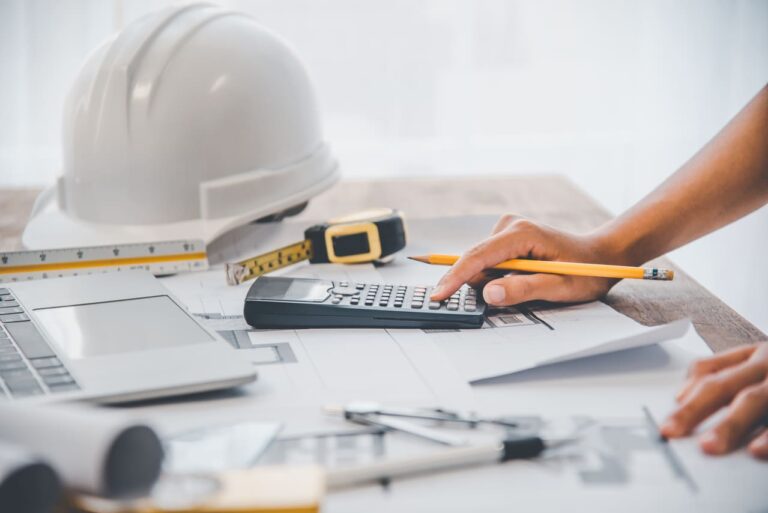
Soft costs are everything else that made the project happen — but that you can’t point to on the wall. The architect’s drawings, construction permits, inspections, project manager’s time, accounting, etc. Not to mention the loan interest you paid while construction was underway.
One category is physically part of the ultimate project build. The other category makes it possible to build that product.
Hard Costs: What’s Actually Getting Built
Hard costs are the direct, physical expenses tied to construction. They’re sometimes called “brick and mortar” costs, and they cover all the labor and materials that go into putting up a structure.
Typical hard costs include:
- Materials — lumber, concrete, steel, roofing, insulation, windows, doors, flooring, tile, cabinetry, fixtures
- Labor — framing crews, electricians, plumbers, HVAC techs, drywall installers, painters, finish carpenters.
- Site work — grading, excavation, utilities, drainage
- Equipment rental — cranes, scaffolding, lifts, tools used on-site
Hard costs are usually the biggest line item in any project budget. It’s often 60–80% of total project cost, depending on the scope and location. They’re also generally the easiest costs to get competitive bids on. This is because contractors are generally quoting the same plans and materials.
One thing to know is hard costs can fluctuate significantly based on material prices. It’s good to be aware of current market material pricing for items like lumber, concrete and steel. Labor availability in your area, and the complexity of the design factor into the costs.
Soft Costs: The Behind the Scenes Backbone of Your Project
Soft costs don’t show up in the finished walls, but without them, nothing gets built legally or correctly. They tend to get underestimated — or forgotten entirely — in early project budgets. This is a common reason many projects go over budget.
Typical soft costs include:
- Design and architecture fees — architectural drawings, engineering plans, interior design
- Permits and fees — building permits, zoning fees, impact fees, utility connection fees. Permits are one of the most misunderstood parts of any project and also responsible for schedule impacts.
- Inspections — municipal inspections, third-party inspections, environmental assessments
- Legal and title work — title searches, contract review, easement agreements. A solid construction contract falls into this bucket too — it’s a soft cost that can save you a fortune.
- Project management — if you’re hiring an owner’s rep or project manager outside of the General Contractor
- Financing costs — loan origination fees, interest during construction, lender inspections
- Insurance — builder’s risk insurance, liability coverage during the build phase.
- Testing and surveys — soil tests, surveys, environmental reports
- Contingency — most advisors recommend 5–15% of total budget set aside for surprises. How you handle surprises — and what your contractor is responsible for — should be spelled out clearly before you break ground.
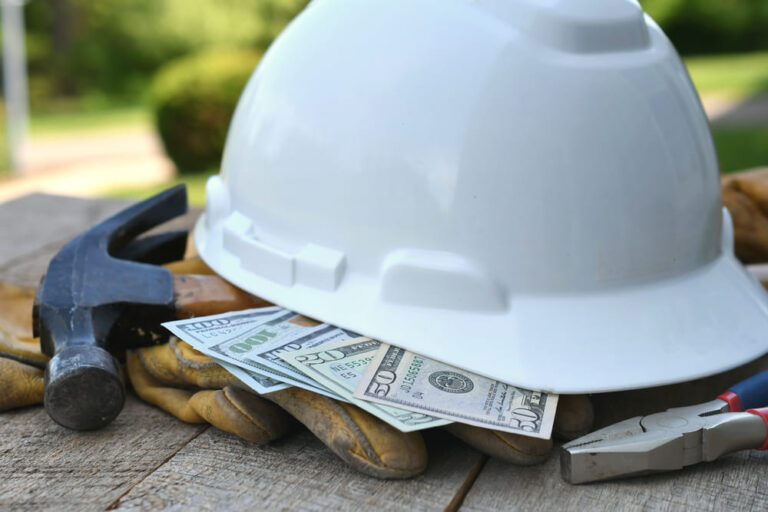
A reasonable rule of thumb: soft costs typically run 20–35% of the total project cost on top of hard costs. On a $500,000 renovation, you might be looking at $100,000–$175,000 in soft costs alone. That’s not money wasted — it’s money that protects you and makes the project possible. It’s money you need to plan for.
Why This Matters for Insurance
Here’s where the soft cost vs hard cost distinction gets particularly important for homeowners and business owners. Your insurance coverage may not cover both.
Standard property insurance typically reimburses the hard costs of reconstruction — the physical materials and labor to rebuild what was destroyed. But what about the architect you’ll need to redraw the plans? The permits you’ll have to amend or pull again? Or, the loan interest accumulating while the building is being restored? Not to mention the project management fees.
Those are soft costs, and many standard policies don’t cover them automatically.
This is exactly why worker’s compensation and contractor’s liability policies are worth paying close attention to. They specifically reference coverage for both hard and soft costs. A policy that only covers physical reconstruction can leave you significantly short. You need what it actually costs to get your project or your building — back to where it was.
When reviewing any insurance policy for a construction project, ask specifically:
- Does this cover soft costs, or only direct physical losses?
- Is there a sublimit on soft costs, or are they covered up to the full policy limit?
- Does coverage include design fees, permits, and financing costs incurred during reconstruction?
If your contractor or broker uses the phrase “hard cost and soft cost,” that’s actually a good sign. It means the coverage is designed for real-world project recovery, not just material replacement.
A Quick Real-World Hard and Soft Cost Example
Say you’re a small business owner who just finished building out a 3,000 sq ft retail space. You spent:
- $280,000 on construction (hard costs)
- $85,000 on architecture, permits, design, and financing (soft costs)
- $365,000 total
Six months later, a pipe bursts and causes significant water damage. A policy that only covers hard costs would reimburse you for the physical repairs — maybe $180,000 to fix the damage. But you’d still be on the hook for the permits, engineer sign-offs, and project management needed to get the work done. Those soft costs could easily add another $30,000–$50,000 to your out-of-pocket expenses.
A policy covering both hard and soft costs would pick up that tab in full.
The Bottom Line
Understanding a hard cost vs soft cost isn’t just accounting nonsense. It’s a foundational part of planning any project or evaluating any coverage you’re putting in place to protect one.
Hard costs = what’s physically built
Soft costs = everything that makes it possible to build it
Both are real. Both matter. And both belong in your budget — and, ideally, in your insurance coverage — from day one.
If you’re working with a contractor and haven’t had this conversation yet, bring it up. A contractor worth their salt should be able to walk you through both sides of the budget clearly.