A Basement Water Leak – Where is it Coming From?
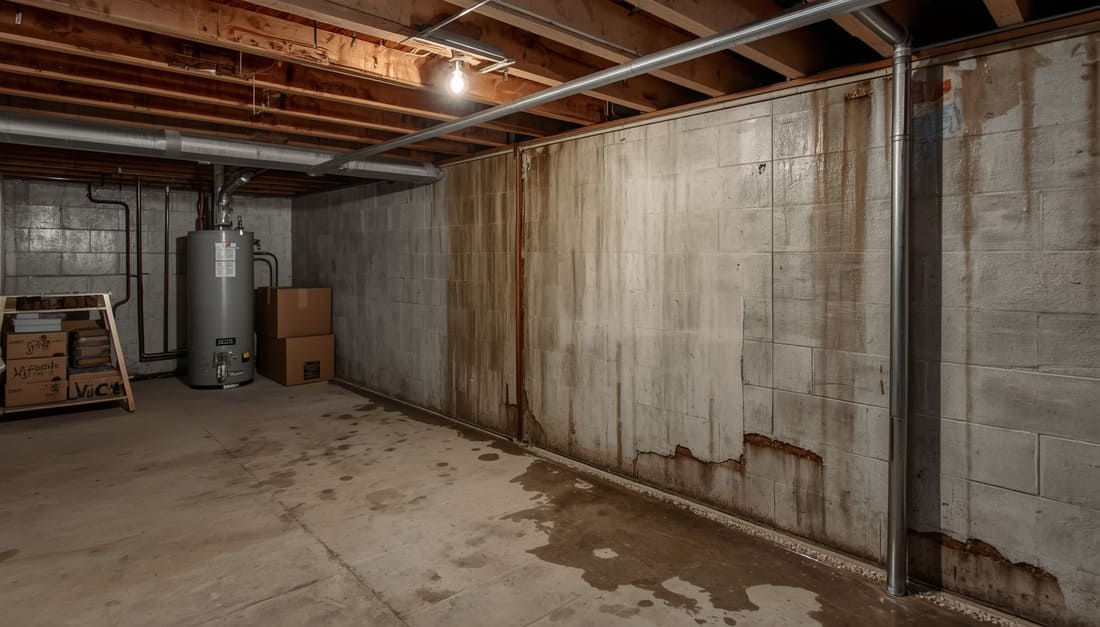
A basement water leak is rarely a mystery — they just require a structured approach to locate it. The cost of any repair is directly tied to the source. The most valuable thing you can do before calling a contractor is narrow down where the water is actually coming from. In many cases, once you’ve identified the source, the fix is something you can handle yourself.
Work through the checklist below systematically. Water travels, so what appears to be the leak location isn’t always the origin point. Process of elimination is your best tool.
Before You Start: Know What You’re Looking For
Basement moisture generally comes from one of three sources: water infiltrating from outside, plumbing leaks from inside, or condensation from humidity. Identifying which category your leak falls into narrows the field considerably before you start looking at specific causes.
- Infiltration — Water entering through foundation walls, floor, windows, or drainage failures outside the home
- Plumbing leaks — Water escaping from supply lines, drain connections, or under-slab piping
- Condensation — Moisture forming on cold surfaces due to high interior humidity
Diagnostic Checklist: Common Sources of a Basement Water Leak
1. Foundation Drainage and Grading
Poor drainage around the foundation is one of the most common causes of basement water infiltration. Standing water against a foundation will eventually find a weak point.
- Does water pool against the foundation after rain or irrigation? The ground should slope away from the home — a minimum of 6 inches of drop over the first 10 feet
- Are gutters clear and functioning? Clogged gutters overflow directly against the foundation
- Do downspouts discharge water well away from the foundation? Splash blocks or extensions should carry water at least 4 to 6 feet out
- If you have perimeter drain tile, when was it last inspected or flushed? Drain tile fills with sediment over time and can fail silently — maintenance every few years is recommended depending on your climate
DIY potential: Regrading, adding downspout extensions, and clearing gutters are all owner-manageable. Drain tile repair or replacement requires a contractor.
2. Sump Pump and Sump Pit
A sump pump that isn’t maintained is a liability. Debris accumulation in the pit is a common and overlooked cause of backup and overflow.
- Is there debris — dirt, gravel, sand — accumulated in the sump pit?
- Is the discharge line clear and draining well away from the foundation?
- Does the pump activate when the float is manually triggered?
- Is a battery backup pump in place for power outage scenarios?
- Is a water detector installed in the pit to alert you to rising water before it becomes a flood?
DIY potential: Pit cleaning, float testing, and alarm installation are straightforward owner tasks. Pump replacement is manageable for most homeowners with basic plumbing knowledge.
3. Crawl Space Moisture
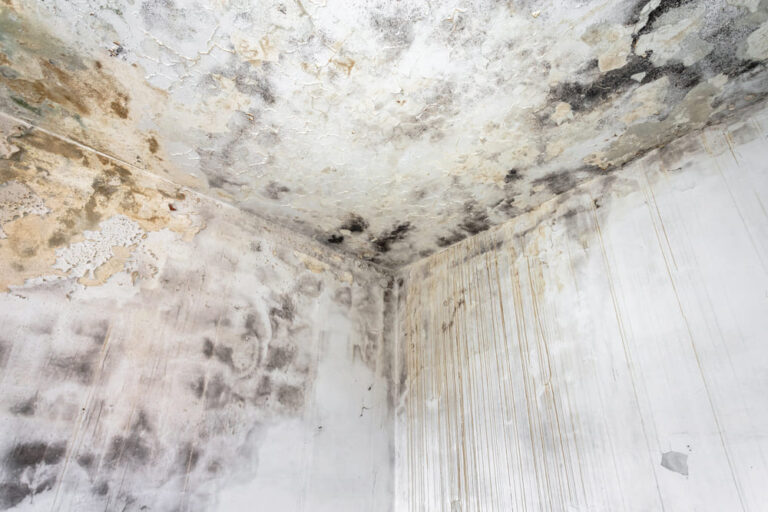
A damp crawl space is more than an odor problem. Persistent moisture leads to mold, wood rot, structural floor fatigue, and pest entry — all of which compound in cost if left unaddressed.
- Is there a vapor barrier on the crawl space floor? An exposed dirt floor allows ground moisture to evaporate directly into the space
- Are crawl space vents present, unobstructed, and functioning?
- Is there visible mold, standing water, or wood deterioration on floor joists or beams?
- Is there a functioning access door that seals properly?
DIY potential: Installing a vapor barrier and improving vent clearance are manageable owner projects. Mold remediation and structural wood repair require qualified contractors.
4. Pipe Corrosion and Leaking Connections
Plumbing leaks in the basement are often slow and go unnoticed until water damage is visible. Visual inspection of exposed piping catches most issues before they become serious.
- Do you see any blue-green discoloration on copper pipes? This indicates pitting corrosion that can lead to pinhole leaks
- Are there any visible rust stains or mineral deposits at pipe joints or connections?
- Check connections at the water heater specifically — dissimilar metal connections here are a frequent corrosion point
- Are there any drips or moisture at shut-off valves or supply line connections?
DIY potential: Replacing supply line connections and shut-off valves is within most homeowners’ capability. Corroded pipe sections and dissimilar metal repairs are best handled by a licensed plumber. Corroded sections must be replaced — patching is not a long-term fix.
5. Under-Slab Plumbing Leaks
Under-slab leaks are harder to locate but you have a few reliable detection methods before calling a plumber.
- Turn off all appliances, irrigation, faucets, and toilets — then check the water meter. If the meter dial is still moving, water is escaping somewhere
- Walk the basement floor in bare feet. A warm or hot spot on the concrete surface is a strong indicator of a hot water line leak directly below that area
- Look for unexplained damp patches or efflorescence — white powdery mineral deposits — on the slab surface
DIY potential: Detection only. Under-slab repairs require a licensed plumber with electronic leak detection equipment. The repair involves cutting the concrete, making the plumbing repair, and reporing — discuss structural implications with your plumber if the slab contains reinforcing steel.
6. Basement Windows and Window Wells
Failed sealants around basement windows and debris-clogged window wells are among the most common. They are also the most fixable sources of a basement water leak and water infiltration.
- Is the caulking and sealant around basement window frames cracked, shrinking, or missing? Even pinhole gaps allow water infiltration over time
- Are window wells collecting leaves, dirt, or standing water?
- Are window well covers in place to keep debris and rain out while allowing light through?
- Is there a drip cap or edge above basement windows to redirect water away from the frame?
DIY potential: High. Recaulking, cleaning window wells, adding well covers, and installing drip caps are all owner-manageable repairs using readily available materials. Use sealants rated for exterior masonry and confirm compatibility with the substrate before applying.
7. Condensation From High Interior Humidity
Not all basement moisture comes from outside. High interior humidity causes condensation on cold surfaces — walls, windows, and pipes — that can be mistaken for a leak. Left unaddressed, condensation leads to the same outcomes: mold, corrosion, and wood rot.
- Do you see white powdery deposits — efflorescence — on basement walls or the floor slab? This indicates moisture migrating through concrete driven by humidity differentials
- Is there visible condensation on cold water pipes, windows, or exterior walls?
- Does the basement smell musty even without visible standing water?
- Is the basement adequately ventilated or does it rely on a dehumidifier to manage moisture levels?
- If a whole-home humidifier is installed on the furnace, does it have an outdoor temperature sensor that adjusts output automatically? Running a humidifier at high output during cold weather significantly increases condensation risk
DIY potential: Adding a dehumidifier, improving ventilation, and adjusting humidifier settings are owner-manageable. Persistent efflorescence or mold growth warrants a professional assessment.
When to Call a Contractor
Working through this checklist first puts you in a stronger position regardless of what comes next. If the source turns out to be failed caulk, a clogged window well, or a debris-filled sump pit, you may not need a contractor at all. If the source is a failed drain tile system, an under-slab plumbing leak, or active mold growth, knowing that before you make the call means you’re contacting the right trade with a clear description of the problem — and not paying diagnostic rates for something you’ve already figured out.
Untreated, a basement water leak of any kind deteriorates over time. What starts as a minor seep can lead to mold, structural damage, compromised air quality, and significant repair costs. The earlier the source is identified, the more options you have.