Construction Progress Photos: Your Partner in Construction Disputes
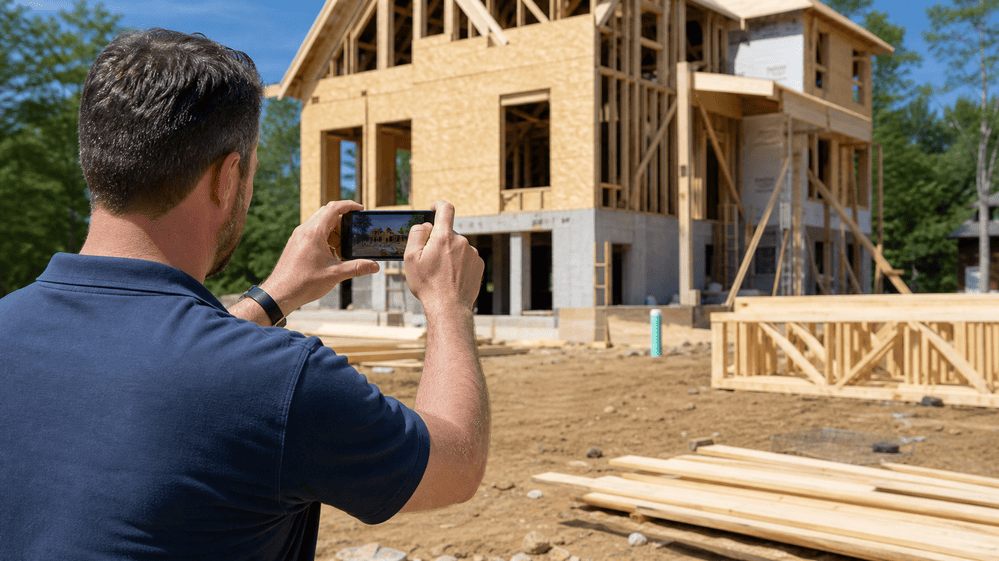
Construction progress photos are one of the simplest, cheapest tools an owner has to protect their position. This is before, during, and after a project. Construction disputes rarely come down to who is right. They come down to who can prove it.
A regular photo routine takes minutes a day. It creates a dated, visual timeline that stands up far better than memory alone. When a disagreement surfaces months or years later, that timeline can be the difference between a quick resolution and a drawn-out fight. This could be over contract review, an insurance claim, or a courtroom.
Documenting Pre-Existing Site Conditions
Photos taken before work begins prove what the site looked like on day one. This protects the owner from being blamed for damage that already existed. It also protects the contractor from being blamed for conditions they did not cause.
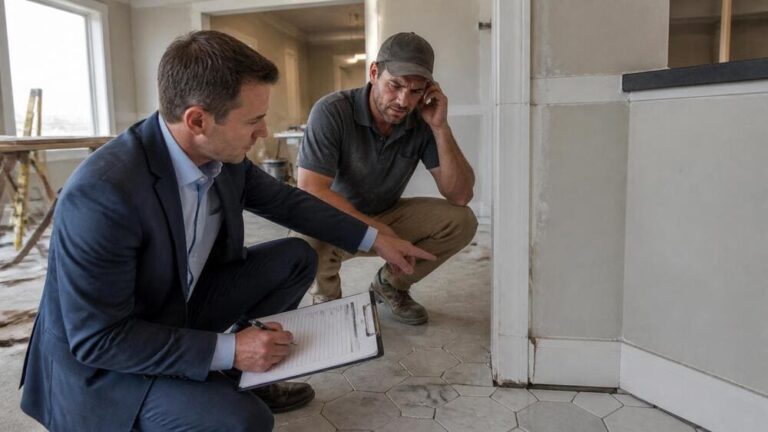
This step matters most on remodels and additions, where existing cracks, stains, or settling are common. A few wide shots and close-ups of problem areas, taken before the crew arrives, remove almost all doubt later.
Recording Who Was On Site and When
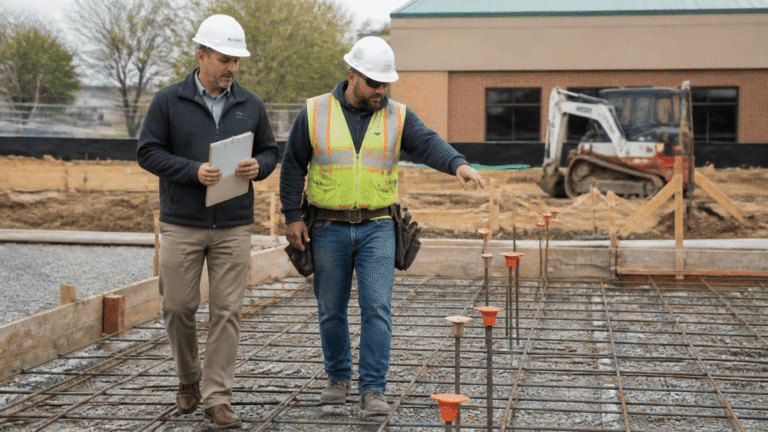
Photos with timestamps show which crews were present on which days. This matters when a schedule slips and everyone disagrees about the cause. It also helps confirm labor hours if a billing dispute comes up later.
Owners do not need to track every worker by name. A daily photo of the site, showing which trades are active, is usually enough to reconstruct the timeline if a question comes up.
Tracking Completed Scope by Date
Photos of finished work, dated and organized, create a running record of what was actually built. This record can confirm whether the project matched the agreed schedule. It becomes essential if a contractor claims work was done earlier than it was.
This is especially useful on multi-phase projects, where scope and schedule are easy to lose track of. A dated photo record settles disputes about sequencing without relying on anyone’s recollection.
Capturing Field Changes as They Happen
Field changes happen on almost every job, and they are a common source of disputes. A photo taken at the moment of the change shows exactly what was altered and why. This is far more reliable than relying on memory months later.
Field changes are also where cost disputes tend to start. A photo paired with a short note on the reason for the change gives both sides a shared reference point instead of two competing memories.
Supporting Safety and Quality Tracking
Photos are not just for disputes about money. They also support ongoing safety and quality tracking throughout the project.
- Safety tracking: photos document jobsite conditions, protective equipment use, and hazard controls over time.
- Quality workmanship tracking: photos compare completed work against plans and specifications at each stage.
- Visual progress record: a full photo timeline shows how the project progressed from start to finish.
- Theft documentation: Photographing material deliveries, stored on-site inventories and items locked inside storage containers document what was on-site if a theft should occur.
Consistent tracking also gives owners an early warning system. A workmanship issue caught on camera in week two is far easier to address than one discovered after drywall goes up.
Photographing Hidden Scope Before It Disappears
Some of the most valuable progress photos capture work that is about to be covered up. Electrical runs, plumbing lines, and framing all disappear once walls are closed. Backfill and concrete pours hide what is underneath just as quickly.
Photos of this hidden scope reduce the need for destructive exploration later. An owner can often confirm routing, materials, and connections from the photo record alone. This is much cheaper than cutting open a finished wall or breaking up a slab to check what is there.
Validating Payment for Schedule Milestones
Many contracts tie payment to specific milestones, such as framing complete or rough-in complete. Progress photos give the owner a clear, dated way to confirm a milestone was actually reached before releasing payment.
This is particularly useful on draw-based projects involving a lender or investor. This is where milestone verification is often required in writing. A photo record makes that verification straightforward instead of a point of dispute.
Separating Finished Work From Warranty Disputes
Warranty disputes often center on one question: did this problem exist at completion, or did it develop later? Photos taken at the end of the project establish a clear baseline. This baseline makes it much easier to determine whether an issue is a warranty item or normal wear.
A Real-World Example
An owner hired a contractor to install a zero entry tile shower, including a waterproofing membrane beneath the tile. Fourteen months after completion, staining appeared on the ceiling below the bathroom. The contractor argued the leak was caused by the owner’s caulking neglect, not the original waterproofing work.
The owner still had to open the ceiling to find the source of the leak; photos alone could not do that. But the owner also had dated photos showing the membrane, seam treatment, and drain flashing installed to manufacturer specification before the tile was set.
Those photos didn’t replace the need to investigate, but they narrowed it. They confirmed the original installation met spec. This shifted the plumber’s search toward the caulking and grout lines rather than the membrane itself. The dispute was resolved in a single visit instead of a drawn-out disagreement over who installed what.
Building a Simple Progress Photo Habit
Owners do not need special camera equipment to build this routine. A phone camera and a consistent schedule are enough. The goal is coverage, not perfection.
- Photograph the site before work begins.
- Photograph major milestones as they are completed.
- Photograph anything that will be covered, buried, or closed in.
- Photograph any field change on the day it happens.
- Photograph any significant material or equipment deliveries
- Keep photos organized by date and labeled by area.
A photo folder organized by date and area also makes it easy to hand documentation to an inspector, an insurance adjuster, or an attorney if a dispute escalates. Well-organized records tend to resolve disagreements faster simply because they remove the guesswork.
Construction progress photos are a small effort with a huge payoff. They turn a “he said, she said” disagreement into a documented timeline. That timeline is often the single strongest tool an owner has in a construction dispute.