Differing Site Conditions: Who Pays When the Unexpected Shows Up?
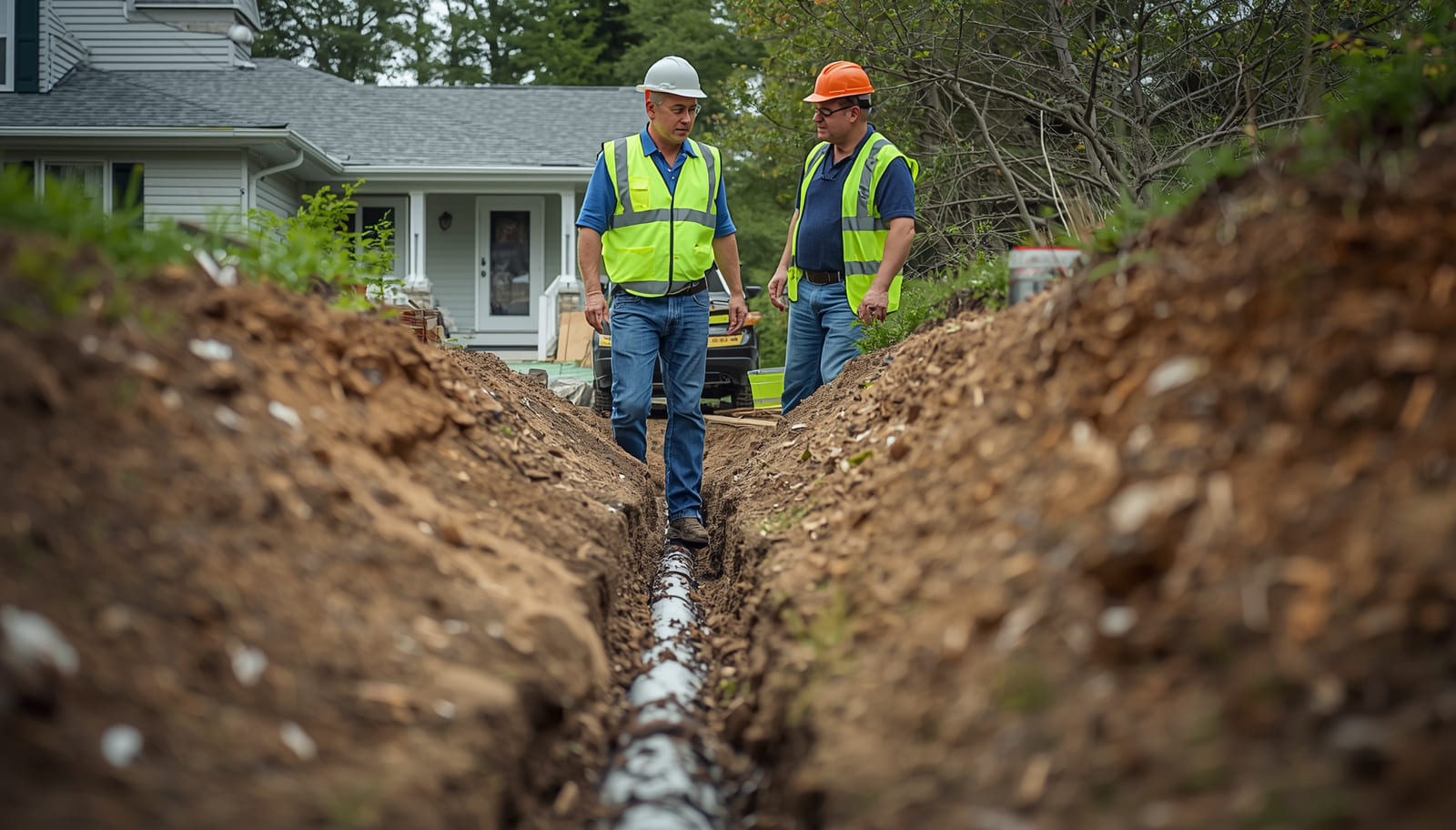
With construction costs, what’s under ground or inside existing walls matter just as much as the work you’ve planned for. Differing site conditions are one of the most common sources of budget overruns and contractor disputes. Understanding how they work before you sign a contract can save you a lot of money and frustration.
What Are Site Conditions?
Site conditions cover two main areas:
- Pre-existing structures — what’s already built on or around the property
- Subsurface conditions — soil quality, rock, groundwater, buried debris, or anything else below grade
Before a project goes out to bid, owners typically commission geotechnical or environmental testing. That data gets shared with bidding contractors either as a separate report or folded into the project specifications. Contractors use it — along with their own site visit observations — to build their cost estimate.
The problem? Not everything shows up in a report or a walkthrough. When a contractor hits something unexpected mid-project, costs and timelines can shift fast.
Who Carries the Risk?
Here’s the default position that catches a lot of owners off guard. Unless an owner has misrepresented or concealed site information, contractors are generally expected to assume the risk of unanticipated physical conditions.
Because of that standard, experienced contractors build a contingency into their bids to cover unknowns. If nothing unexpected comes up, that unused contingency becomes extra profit for the contractor. It’s extra cost to you that you never needed to pay. If a contractor doesn’t include a contingency and then hits an unexpected condition, they’ll likely come back to the owner with a claim to recover those costs.
Neither scenario is great for an owner. That’s where smart contract language comes in.
Contract Language That Protects You
There are two tools owners can include in a contract to reduce exposure to differing site condition claims:
- Site inspection clause — Requires the contractor to confirm they’ve personally inspected the site before submitting their bid. This limits their ability to later claim they couldn’t have known about observable conditions.
- Site conditions disclaimer — Language that limits the owner’s liability for the accuracy of the geotechnical or environmental data provided. It puts the contractor on notice that the reports are informational, not a guarantee.
Without these in your contract, a contractor has a stronger argument that they reasonably relied on the information provided. And that couldn’t have anticipated what they found. That’s a claim that can stick.
The Notice Requirement
Most well-drafted contracts also include a notice provision. If a contractor encounters an unusual or unknown condition, they must notify the owner promptly before disturbing that condition. The owner then has a set timeframe to respond. Typically by bringing in a design professional to evaluate the situation or authorizing the contractor to proceed. This with the understanding that additional cost and time may follow.
This notification step is important. It keeps the owner in control of the decision. It prevents a contractor from simply plowing through an unexpected condition and handing you a bill after the fact.
Public vs. Private Contracts
One more thing worth knowing—differing site conditions clauses are typically required in federal contracts. Also public projects that receive federal funding. In private contracting, including them is optional — but that doesn’t mean you should skip them. For any project with complex site conditions, having this language in your contract is straightforward protection.
When in doubt, have a construction attorney review your contract language before work begins. The cost of that review is nothing compared to an unresolved site conditions dispute mid-project.