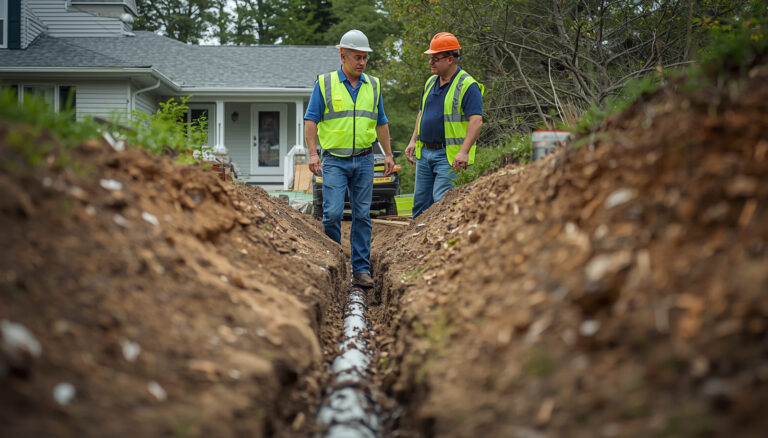
Scope of Work Drives Every Number in Your Construction Estimate

If you’ve ever gotten wildly different bids from contractors on the same project, a vague scope of work is usually the culprit. When contractors are left to make their own assumptions about what you want, you end up with estimates that aren’t comparable. This is the real risk of selecting a low bid. It’s either incomplete, padded, or based on a completely different understanding of the job.
The accuracy of any project estimate starts and ends with how clearly you’ve defined the scope of work.
What a Good Contractor Scope of Work Does
A clear, detailed scope of work gives every bidding contractor the same foundation to price from. That means the estimates you receive are actually comparable. You’re evaluating contractors, not guessing whose assumptions were closest to what you had in mind.
It also reduces change orders. A lot of them. Poorly defined scope is one of the leading causes of change order disputes. Anything left undefined during bidding becomes negotiable — and expensive — once work is underway.
Questions to Consider in Planning a Scope of Work
When putting your scope of work together, work through these questions and build your contract documents from the answers:
- What is the problem to be solved or the improvement to be made?
- What do you want to see accomplished, specifically?
- What are your quality expectations for the work?
- What is your target schedule for completion?
- When are contractors permitted to work at your site or home?
- Where can trades store materials during the project?
- What areas do you need to maintain access during construction?
- What temporary facilities do you expect the contractor to provide?
With that information clearly documented, bidding contractors can competitively bid. They can better determine the labor, materials, equipment, and resources required to price the work. No guessing yields better accuracy.
Understanding Overhead and Profit
When you review a contractor’s estimate, the total isn’t just the cost of materials and labor. Every contractor includes overhead and profit on top of direct project costs. Understanding how these are calculated allows you to evaluate bids more effectively.
Overhead
This covers all the costs of running the business that aren’t tied to any specific project. These include items like office staff salaries, facility leases, vehicles, fuel, and equipment. It also covers liability insurance, utilities, marketing, legal and accounting fees, and training. These are real, ongoing costs that every legitimate contractor carries.
Contractors overhead is typically calculated as a percentage of the contractor’s total annual volume. For smaller companies it can run 30% to 40% of operating costs.
Larger contractors with more volume to spread those costs across often show closer to 10% in their estimates. One thing to know: contractors frequently build a portion of overhead into the hourly rates they charge for staff.
This also includes equipment rentals, and owned or leased equipment. In reality, the number shown on an estimate as “overhead” may not tell the whole story.
Profit
This is what’s left after all costs — including overhead — have been paid. It’s not a bad thing. A contractor’s profit margin is what allows them to grow their business.
They can invest in better equipment and training, provide employee benefits, and maintain a financial cushion.
This also helps when something goes wrong on a completed project. A contractor with no margin (fee) is a contractor who may not be able to finish your job.
Why This All Connects to Your Scope of Work
Here’s the practical takeaway: a contractor who hasn’t properly estimated and marked up your scope of work may have underpriced the job.
That might look attractive upfront, but it tends to surface as problems later. Incomplete work, unpaid suppliers, or a contractor who disappears before the punch list is done.
Protect yourself by making your detailed scope of work a formal part of the contract process.
A vague work scope doesn’t just make it harder for a contractor to meet your expectations. It can also give a contractor legal ground to interpret your intent in their favor if a dispute arises.
Clear scope in. Vague scope out. It’s that straightforward and saves cost, time and headaches during construction.